
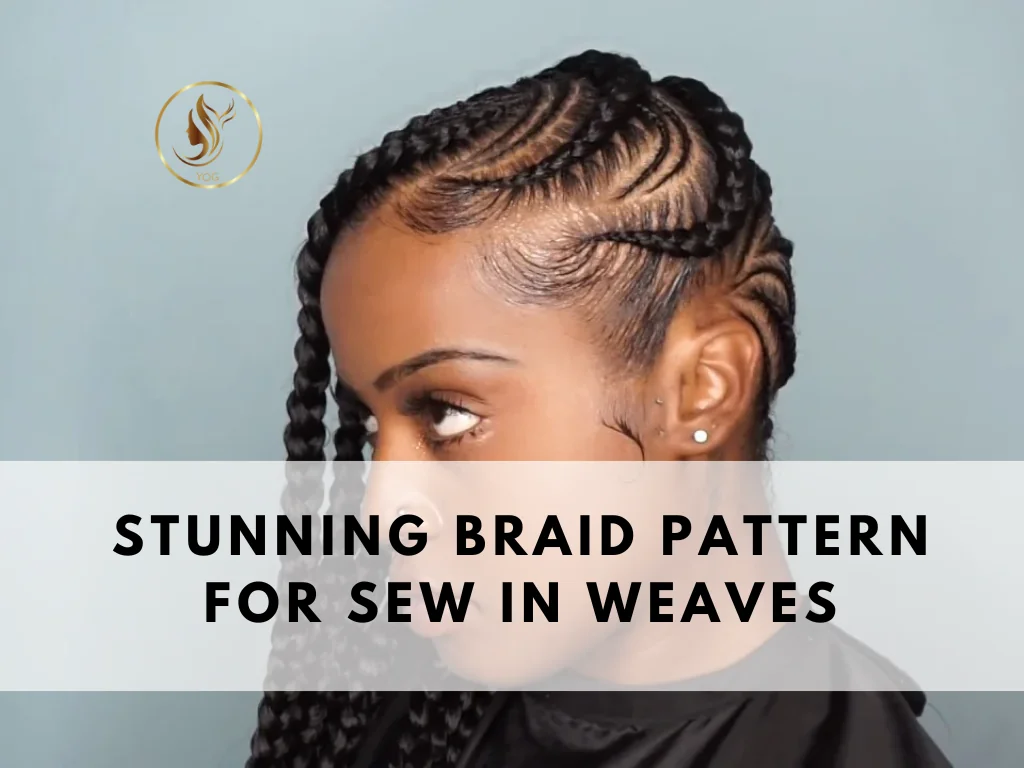
Choosing the right braid pattern for sew in is essential for achieving a flawless, long-lasting weave. Whether you’re going for a middle part, side part, or a versatile styling option, your braid base determines how natural your install will look and how comfortable it feels. From beginners to professional stylists, understanding the best braid patterns helps ensure a secure fit, proper hair growth, and a smooth styling experience. In this guide, we answer the most frequently asked questions about braid patterns for sew-ins to help you get the perfect foundation.
Why the Right Braid Pattern Matters for a Sew In?
Choosing the best braid pattern for sew in is more than just technique, it’s the foundation for a flawless style that lasts. The right braid pattern determines how well your sew-in lays, how long it lasts, and how comfortable it feels. Let’s explore why it’s so important and what benefits it brings.
Flatness and natural look are two key advantages. A well-executed braid pattern ensures that the weave lays flat against the scalp, providing a more natural appearance. This is especially crucial for middle parts or styles that expose the roots. For beginners or those looking for a quicker process, an easy braid pattern for sew in can still achieve a sleek and natural result without compromising style or durability.
Additionally, certain patterns allow for various partings and styles, giving you the flexibility to change your look without redoing the entire weave. The right pattern also distributes tension evenly, reducing the risk of hair breakage and promoting healthy hair growth underneath the weave. Moreover, a secure and appropriate braid pattern can extend the lifespan of your sew-in, making it a more cost-effective and low-maintenance option.
Most Common Braid Patterns for Sew-In Weaves
When it comes to achieving a braid pattern for sew in, the braid pattern underneath plays a huge role. Here are some of the most popular and effective braid patterns used by stylists today.
Straight Back Cornrows
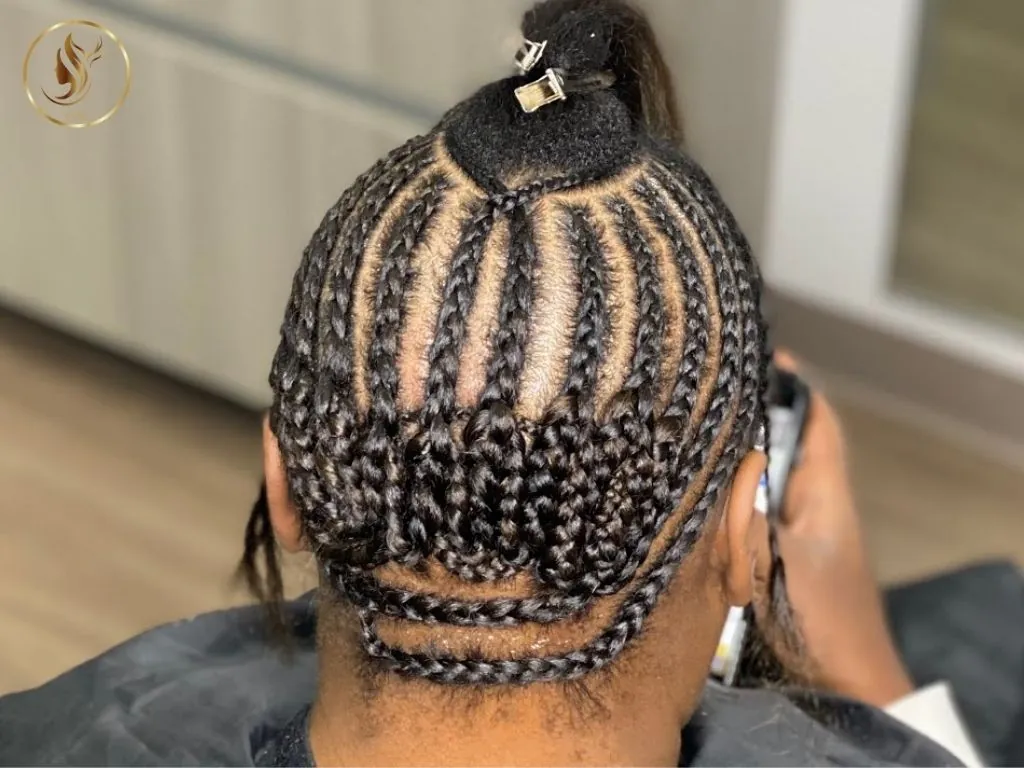
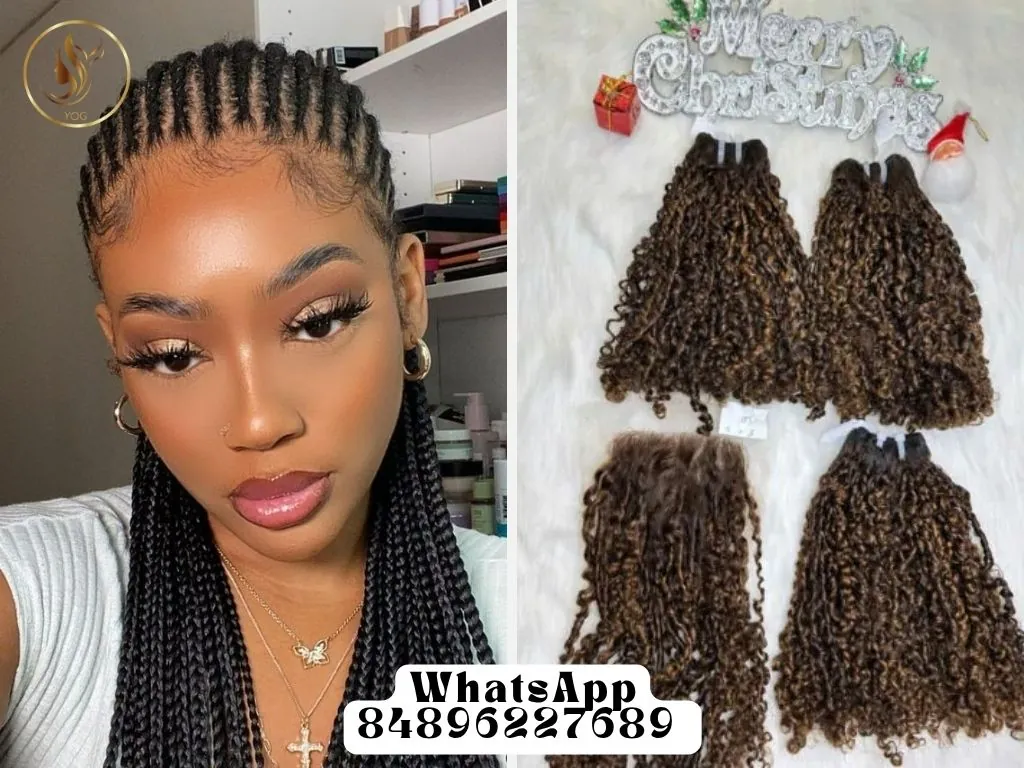
Straight back cornrows are a classic and straightforward option. This style involves braiding the hair straight back from the hairline to the nape in neat, parallel rows. It’s ideal for beginners and offers a sleek base for a wide range of sew-in styles.
This pattern is easy to install and take down, making it a practical choice for many. It works particularly well for symmetrical looks and middle parts, and it suits both full and partial sew-ins. Many stylists recommend it as a go-to braid pattern for sew in with middle part due to its clean layout. However, it has its limitations, such as offering limited versatility in parting options. Additionally, it may not be the flattest option for high-volume weaves.
>> Read more: How To Braid Your Own Cornrow Step By Step Pictures Tutorial
Beehive pattern
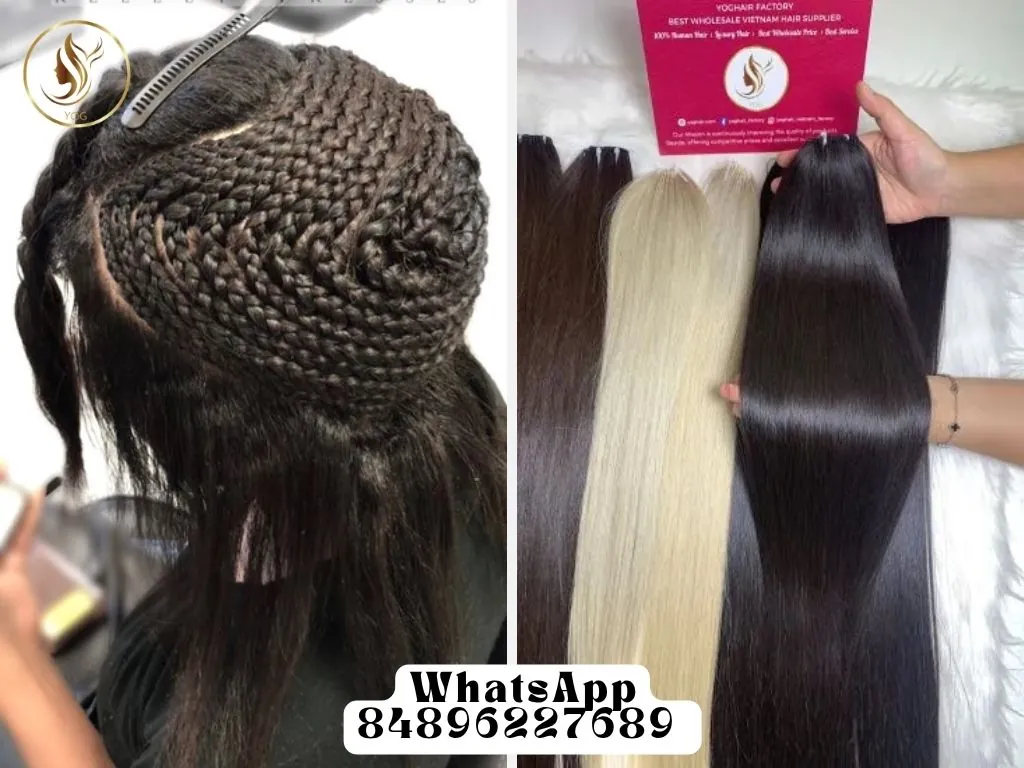
The beehive pattern features circular braids that start from the perimeter and spiral inward. It’s perfect for full sew-ins without leave-out, offering a secure and uniform base across the head. This method can also be adapted for a sew in with braids in front, combining full coverage with decorative or functional front braiding for added style.
One of the key benefits of this pattern is its excellent support for full sew-ins with no leave-out. It’s especially ideal for styles with closures or bangs. The circular structure distributes weight evenly, reducing tension on the scalp. On the downside, the beehive pattern is more time-consuming to install and makes it more difficult to access the scalp for cleaning and moisturizing.
U-part or crossover pattern
Designed for sew-ins with a U-part wig or a small section of leave-out, this pattern allows part of your natural hair to remain unbraided for a more natural blend. The braids are arranged to accommodate the U-shape opening.
This pattern allows for a defined and natural-looking part, making it easier to blend with your natural hair. It works well with straight, curly, or wavy styles. However, the leave-out section requires extra maintenance and heat protection, which may not appeal to those looking for a low-maintenance option.
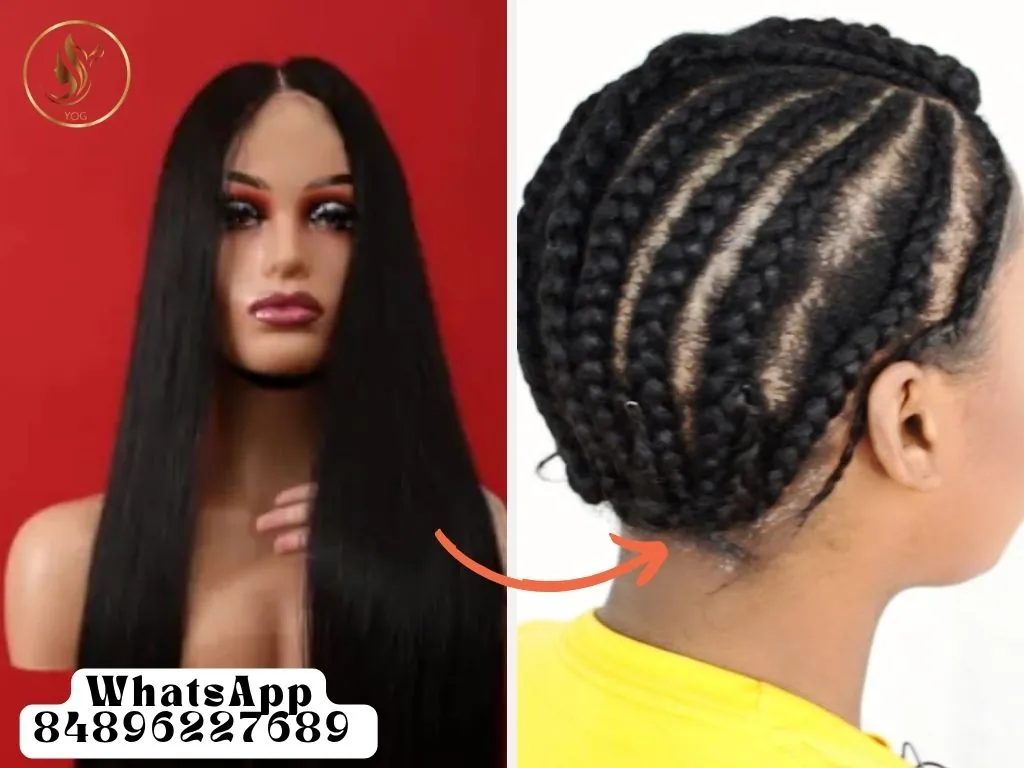
Zig-zag pattern
This pattern involves braiding the hair in a back-and-forth motion across the scalp, creating a zig-zag layout. It is especially effective for achieving a flatter base, making it a top choice for layered or bob-style sew-ins.
The zig-zag pattern creates an ultra-flat finish that helps reduce bulk under the weave. It’s excellent for supporting layered or asymmetrical styles. However, this pattern requires a skilled braider for proper execution and may not be suitable for leave-out styles due to its dense layout.
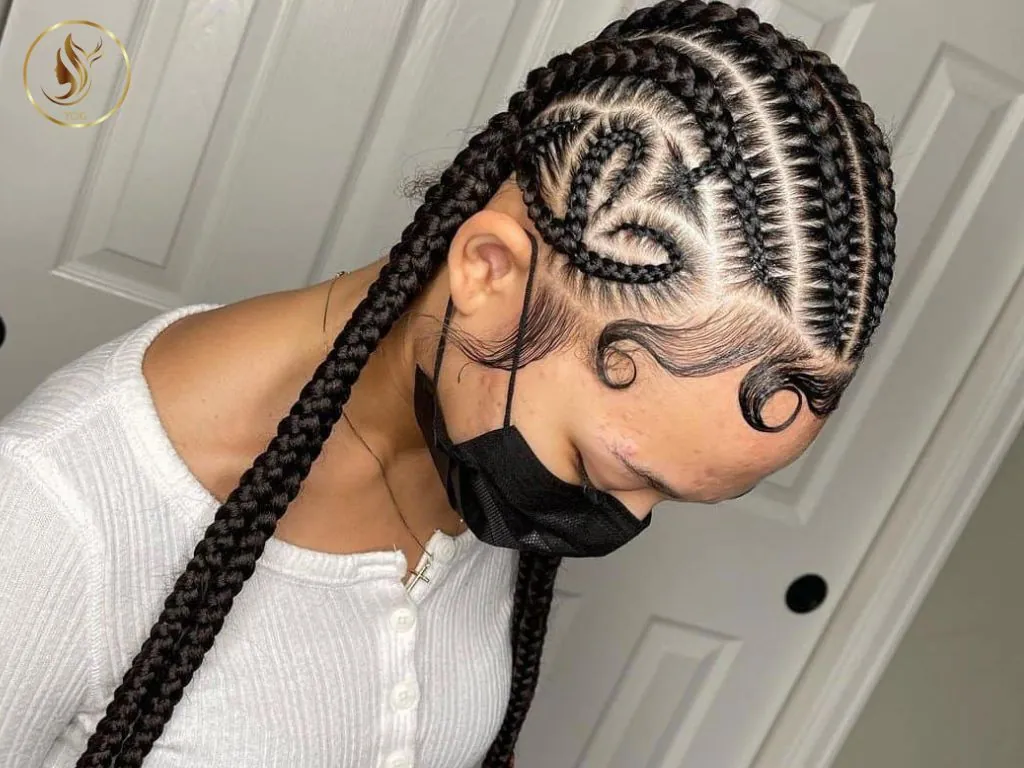
Circle or perimeter braid pattern
This pattern focuses on braiding around the perimeter of the head, often leaving the center open. It’s perfect for sew-ins that expose the edges or require updos, ponytails, or buns. If you’re unsure how to get started, referring to a braid pattern chart can help you visualize the layout and choose the best design for your desired style.
The perimeter braid pattern is great for styles that require natural edge exposure. It’s ideal for high ponytails and updos and offers more flexibility in styling. The downside is that it may not provide full coverage if not done correctly, and it demands careful maintenance to avoid putting too much tension around the edges.
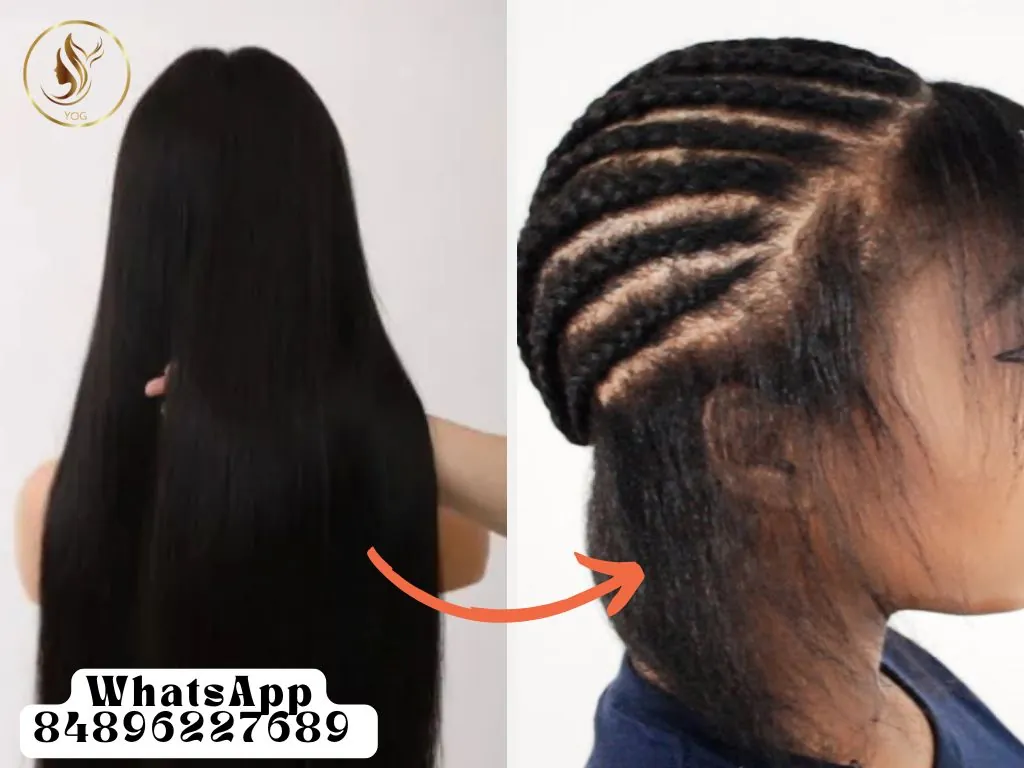
Fulani or tribal-inspired braids
Commonly used as a full base for sew-ins, they can form part of a hybrid style. For those aiming for a more natural blend with defined styling, a side part sew in braid pattern with leave out offers the perfect balance between coverage and realism.
This pattern stands out for its stylish and culturally expressive appearance. It serves well as a protective style or when combined with weave extensions. However, it’s not ideal for full sew-in coverage and requires time and creativity to achieve a balanced and aesthetic look.
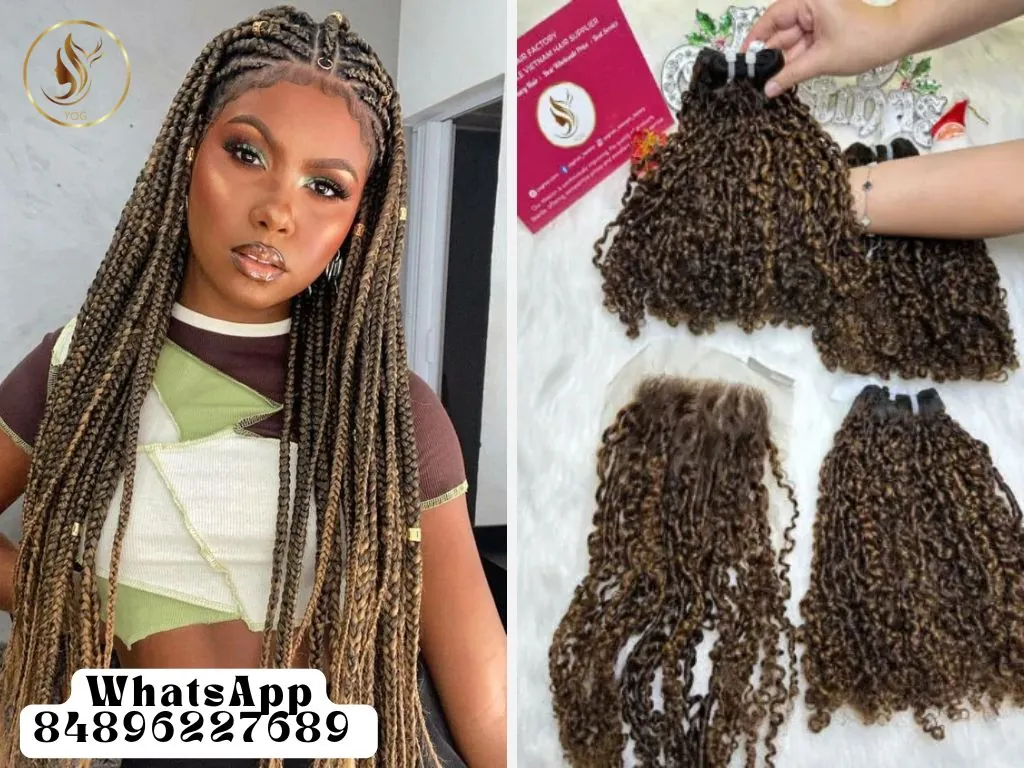
>> Read more: Top 8 Hair Extension Style That Hide So Easy
Braid patterns for sew-in with leave-out
If you prefer to leave out a portion of your natural hair for a more realistic blend, specific braid patterns work better than others. Choosing the right sew in braid pattern with leave out ensures your style looks seamless and natural. Below are the best options that support a natural-looking finish.
The U-part pattern is perfect for creating a defined part with a leave-out section in the middle or side. Another great option is the vixen braid pattern for sew in, which divides the hair into four sections, allowing maximum versatility in styling such as ponytails, half-up looks, or buns. Always flat iron or curl the leave-out to match the weave texture, and don’t forget to use heat protectant and moisturizing products to prevent damage.
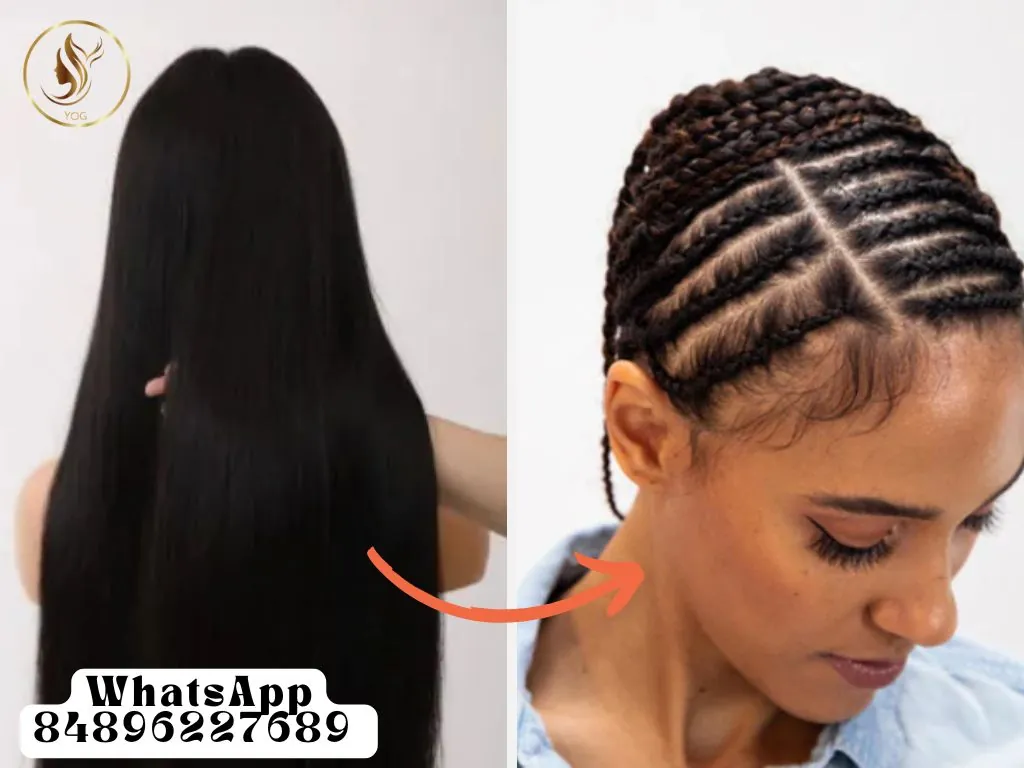
Braid patterns for closures and frontals
Closures and frontals require braid patterns that provide a flat surface while accommodating lace placement. These patterns are designed to anchor the lace securely while creating a natural hairline appearance. Choosing the right braid pattern for sew in with closure is essential to achieving both security and realism in your final look.
The beehive pattern offers an ideal anchor point for closures, especially for top pieces. For frontals, straight back or diagonal braids are highly effective to ensure flatness across the forehead and crown. This makes it a reliable braid pattern for frontal sew in styles. To enhance your look, sew lace pieces into the braids rather than the scalp to reduce tension. Bleaching knots and using lace tint will also result in a more natural finish.
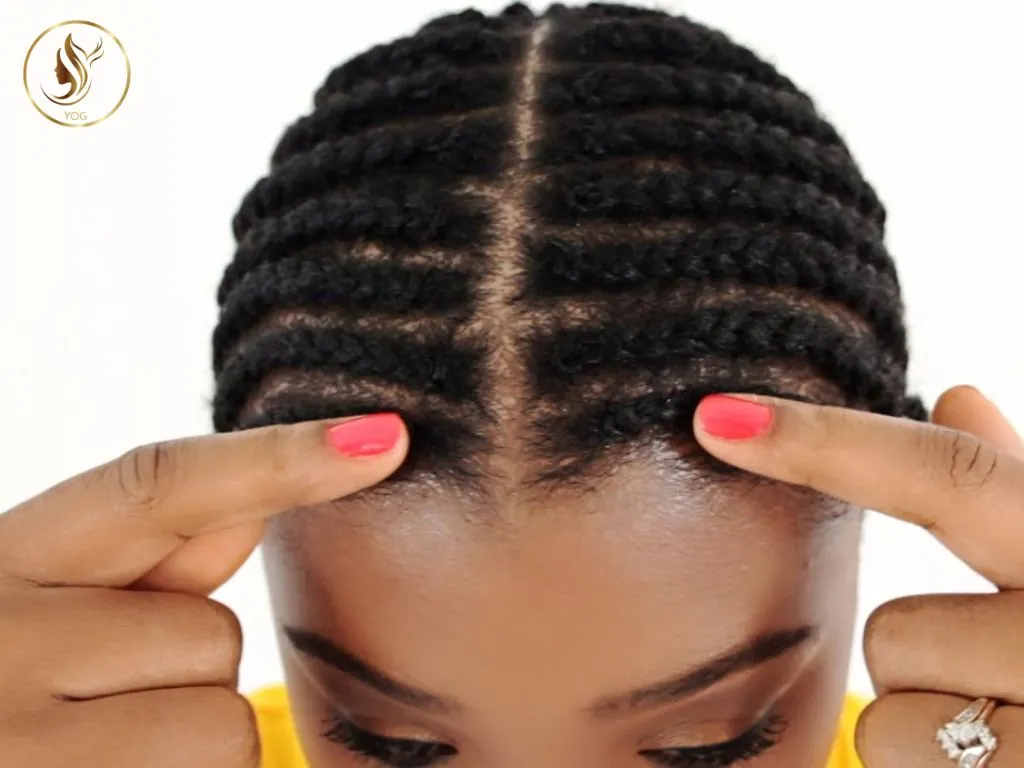
How to choose the right braid pattern for your hair type and style
Not all braid patterns suit every hair type or final style goal. Choosing the right braid pattern depends on your natural hair density, desired parting, and long-term maintenance commitment.
Consider your hair texture and length. If you’re working with finer strands, a sew in braid pattern for thin hair should focus on low-tension braids to reduce stress on the scalp. Thicker hair needs even tension to avoid breakage, while shorter hair may require special grip techniques. If you have a sensitive scalp, avoid tight patterns like beehives or complex zig-zags. Think about the final look you want to achieve—a middle part, versatile styling, or edge exposure—and select a pattern accordingly. Finally, if you’re seeking a low-maintenance style, a full sew-in with a simple braid pattern and no leave-out might be your best option.
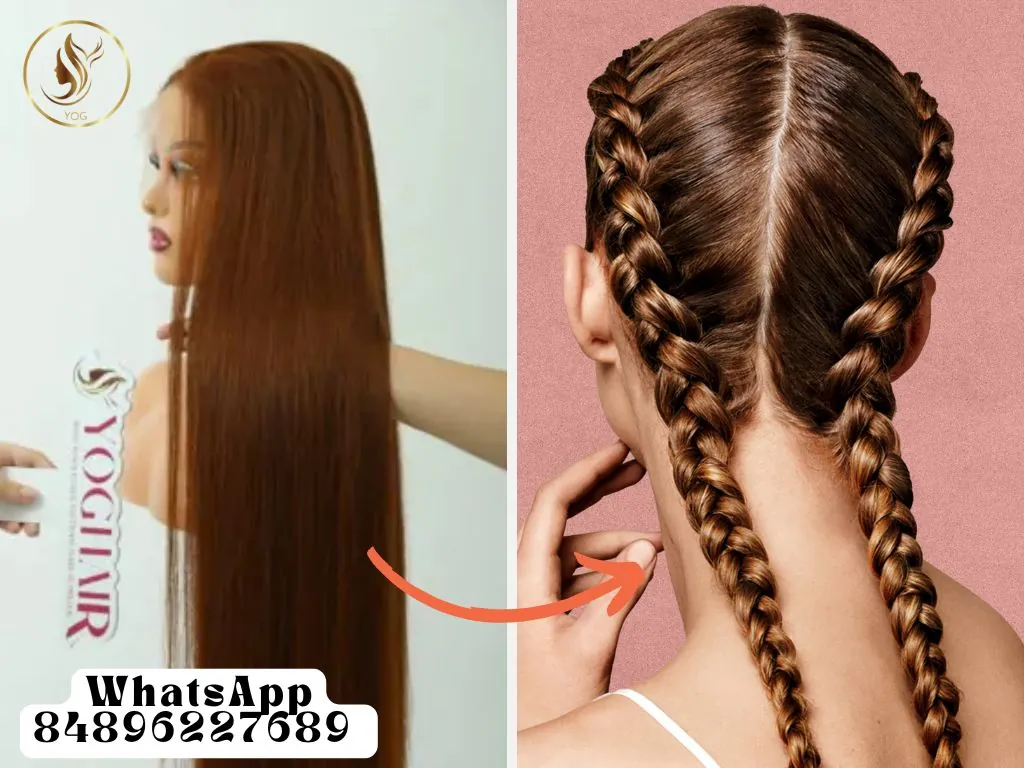
Maintenance tips for braid patterns and sew-ins
Caring for your sew-in and the braid pattern underneath is essential for both the longevity of your style and the health of your natural hair. Here’s how to make your install last while protecting your strands:
Keep your scalp clean by using a dry shampoo or diluted shampoo applied with a nozzle bottle to reach the scalp. Moisturize regularly with light oils or leave-in sprays to avoid dryness and breakage. Protect your style at night using a silk scarf or bonnet to prevent frizz and friction while sleeping. Avoid overstyling with heat or manipulation, as this can loosen the weave and put stress on your natural hair. Lastly, don’t skip touch-ups. Visit your stylist every 6–8 weeks for a check-in, especially if you have leave-out or a frontal.
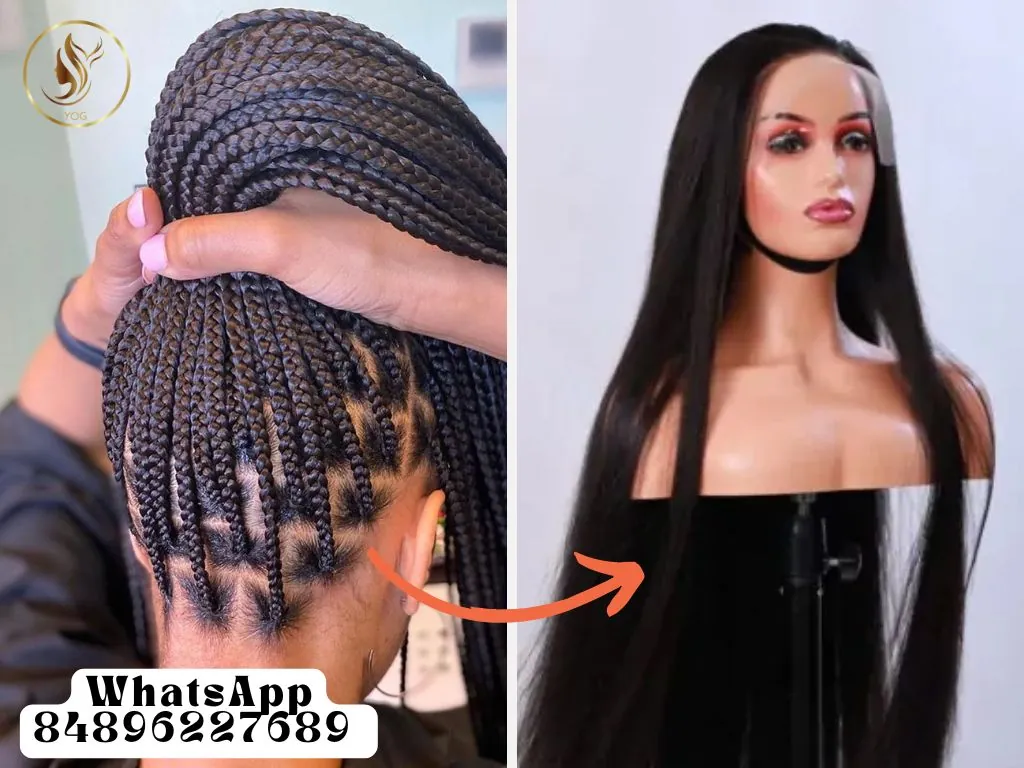
Conclusion
Choosing the right braid pattern for a sew-in is fundamental to achieving a natural, comfortable, and long-lasting hairstyle. From beehive to vixen, each pattern offers unique benefits tailored to different styles and preferences. By understanding your hair’s needs and your style goals, you can confidently select a pattern that sets the stage for a flawless look.
If you’re ready to transform your look with top-quality hair extensions and expert advice, discover the range of premium products and resources available at YogHair. Whether you’re seeking long-lasting weaves or braid-friendly bundles, YogHair offers everything you need to bring your perfect sew-in to life.
- Instagram: @yoghair_wholesale_factory
- WhatsApp: +84896227689
- Email: wholesaleyoghair@gmail.com


 Ms. Jenifer
