
For generations, black hair has been admired for its rich texture and versatility. But a question that still sparks curiosity is: “Can black people have naturally straight hair?”. In this article, we’ll uncover the truth behind this hair myth, explore what determines texture, and share the top ways to achieve sleek, straight styles for natural black hair.
Can Black People Have Naturally Straight Hair?
Yes, some black women can have naturally straight hair, though it is quite rare. Most people of African descent have tightly coiled or curly hair, commonly known as type 3 or 4. However, due to genetic diversity – especially in people with mixed heritage – it’s entirely possible for some black women to be born with naturally straight or wavy hair textures. In fact, images and stories of a black girl naturally straight hair often spark curiosity, but they also highlight the beauty of diversity within the community.
Hair texture within the black community varies widely, and straight hair, while uncommon, is one of many possibilities. It’s time to debunk the myth that all black hair must be curly or kinky.
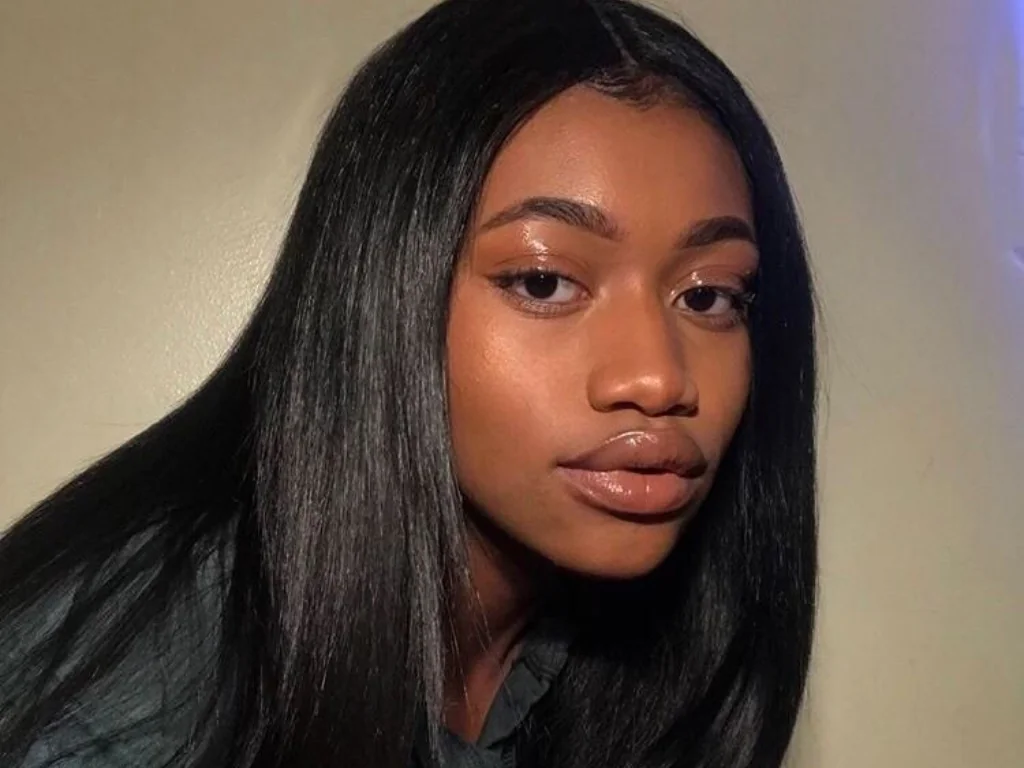
Percentage of black people with naturally straight hair
Research and anecdotal evidence suggest that less than 1% of black people have naturally straight hair. This small percentage is often due to ancestral mixing with other ethnic groups, such as European, Asian, or Indigenous heritage, which can influence hair texture over generations.
While this number is low, it highlights the genetic complexity and diversity of black individuals globally. The presence of a black girl naturally straight hair in that small group is a testament to the variety within the black diaspora.
Why Do Black Women Have Naturally Straight Hair?
While naturally straight hair is uncommon among black women, it does occur – and it’s entirely natural. This hair texture typically results from a few key factors:
- Genetic Admixture: Many black individuals have mixed ancestry, including European, Asian, or Native American roots. These lineages often carry genes for straight or wavy hair, which may be passed down and expressed in later generations.
- Rare Genetic Mutations: In some cases, unique mutations can affect the shape of hair follicles or keratin structure, leading to naturally straighter strands. Rounder follicles, for instance, grow straighter hair compared to oval ones.
- Inherited Ancestral Traits: Sometimes, the presence of straight hair can be linked to long-dormant traits resurfacing through heredity. These are not necessarily the result of recent ethnic blending, but rather the re-expression of ancestral genes passed down over many generations.
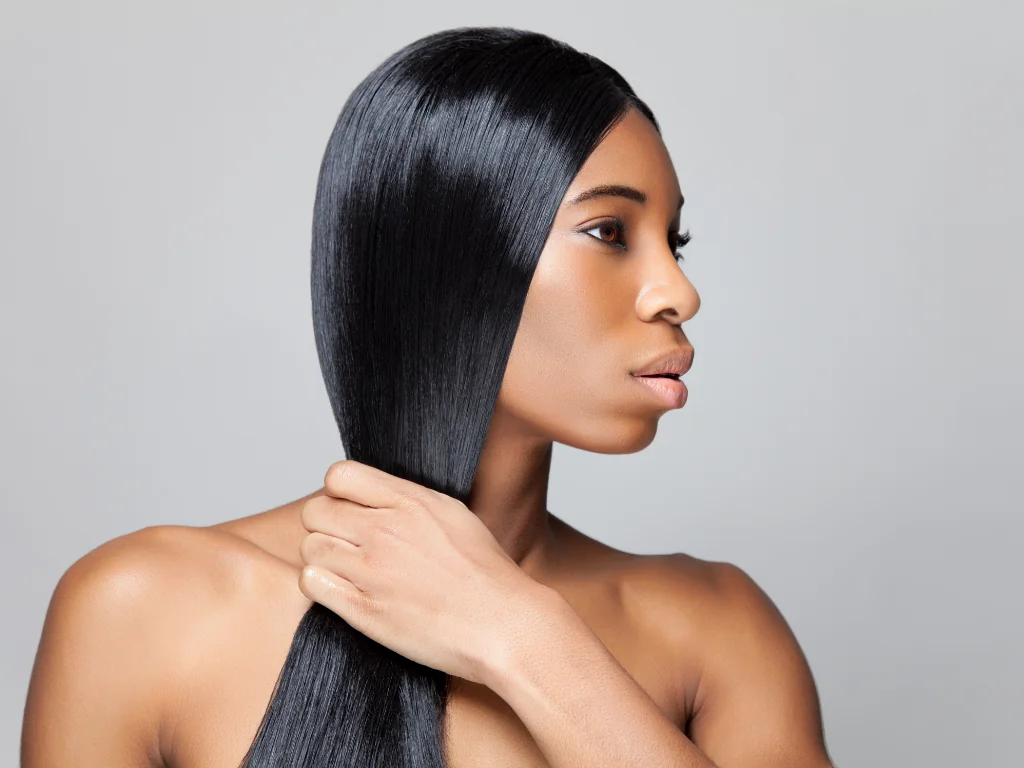
What Determines Hair Texture?
Hair texture is influenced by a combination of biological, genetic, and environmental factors. These elements interact to shape whether hair grows in straight, wavy, curly, or coily patterns.
- Hair follicle shape: One of the primary factors is the shape of the hair follicle. Round follicles typically produce straight hair, while oval or flat follicles are more likely to create curly, coily, or kinky textures. The degree of curvature in the follicle directly affects how the hair shaft emerges from the scalp.
- Protein bonding: Inside the hair strand, the structure and number of disulfide bonds – strong chemical links between sulfur atoms in the hair’s protein chains – play a significant role. More disulfide bonds lead to tighter curls, while fewer bonds result in straighter strands.
- Genetics: Hair texture is largely hereditary, passed down from parents and influenced by ancestral background. This is why people from different ethnic groups often have distinct hair textures that reflect their genetic heritage.
- Hormonal and environmental influences: Changes in hormone levels (due to puberty, pregnancy, or aging), as well as external factors like heat styling, chemical treatments, and climate, can alter hair texture over time. These changes can be temporary or, in some cases, long-lasting.
Understanding these factors provides valuable insight into the wide spectrum of hair textures found within the global black community, celebrating the natural diversity shaped by both science and heritage.
Top 6 Effective Ways To Straighten Natural Black Hair
Whether you’re going for a temporary change or a long-term style, here are six effective methods to straighten natural black hair while minimizing damage:
Flat Ironing
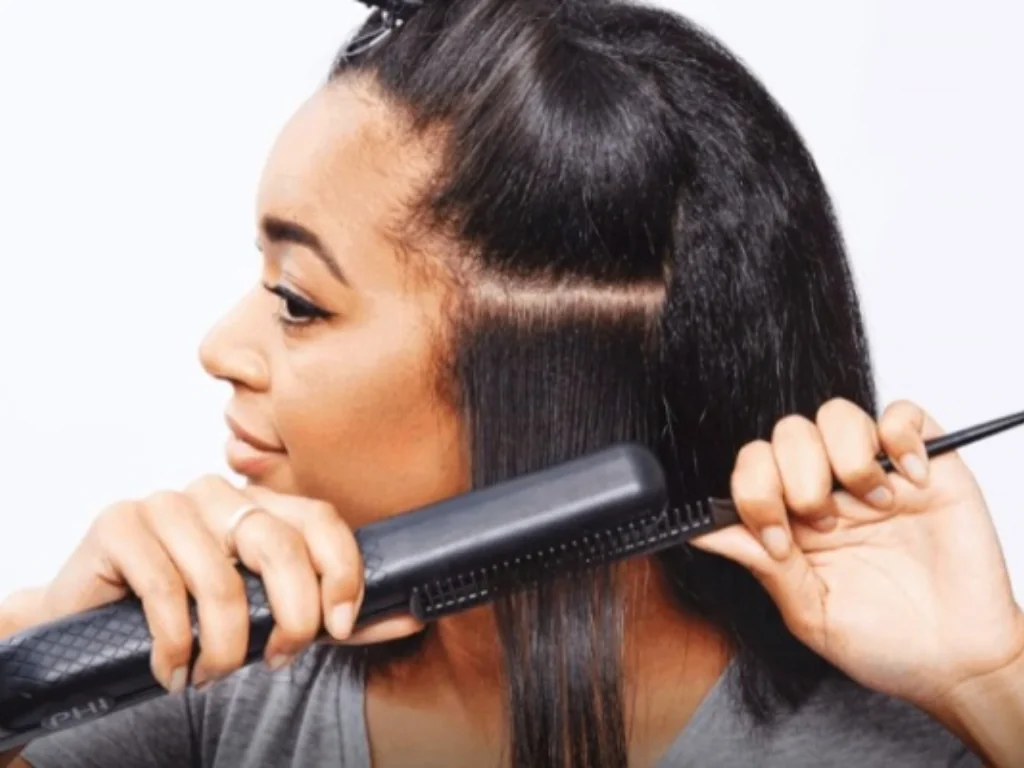
Flat ironing is one of the most popular ways to straighten natural hair at home. This technique uses a heated iron to temporarily smooth curls and coils into a sleek finish. It’s a fast, convenient option for short-term results.
Best for: Temporary straightening for special occasions or everyday wear
How it works: Clean, completely dry hair is divided into sections and slowly passed through a ceramic or titanium flat iron set at a controlled temperature. Using a heat protectant spray helps reduce potential damage.
Silk Press
A silk press is a more advanced and refined version of flat ironing, offering a smooth, shiny finish without permanently altering the curl pattern. It’s a favorite choice for naturalistas who want sleek hair without chemicals.
Best for: Natural hair wearers who want a polished, straight style without chemical treatments
How it works: The hair is shampooed, deep-conditioner for moisture, blow-dried, and then straightened with a flat iron using careful, controlled heat. The result is smooth, flowing hair with a natural shine – no chemicals involved.
Chemical Relaxers
Relaxers are permanent chemical treatments that break down the protein bonds in curly hair to straighten it. This method can drastically change your hair texture but should be approached with caution.
Best for: Individuals looking for long-lasting straight hair with low daily maintenance
How it works: A chemical cream is applied to break down the protein bonds in the hair shaft, softening the natural curl pattern. After processing, the hair is rinsed, neutralized, and conditioned to restore balance. Professional application is strongly recommended.
Hair Straightening Brushes
For those who prefer a more convenient, less intense heat styling option, straightening brushes are a great alternative. They combine the detangling ease of a brush with heat to gently smooth out waves or light curls.
Best for: Looser curls or wavy textures; daily or quick touch-ups
How it works: The heated brush is used on dry, detangled hair – brushing through from roots to ends while the warmth stretches and softens the strands. It’s not as sleek as a flat iron but offers a more natural, stretched-out look.
Keratin Treatments
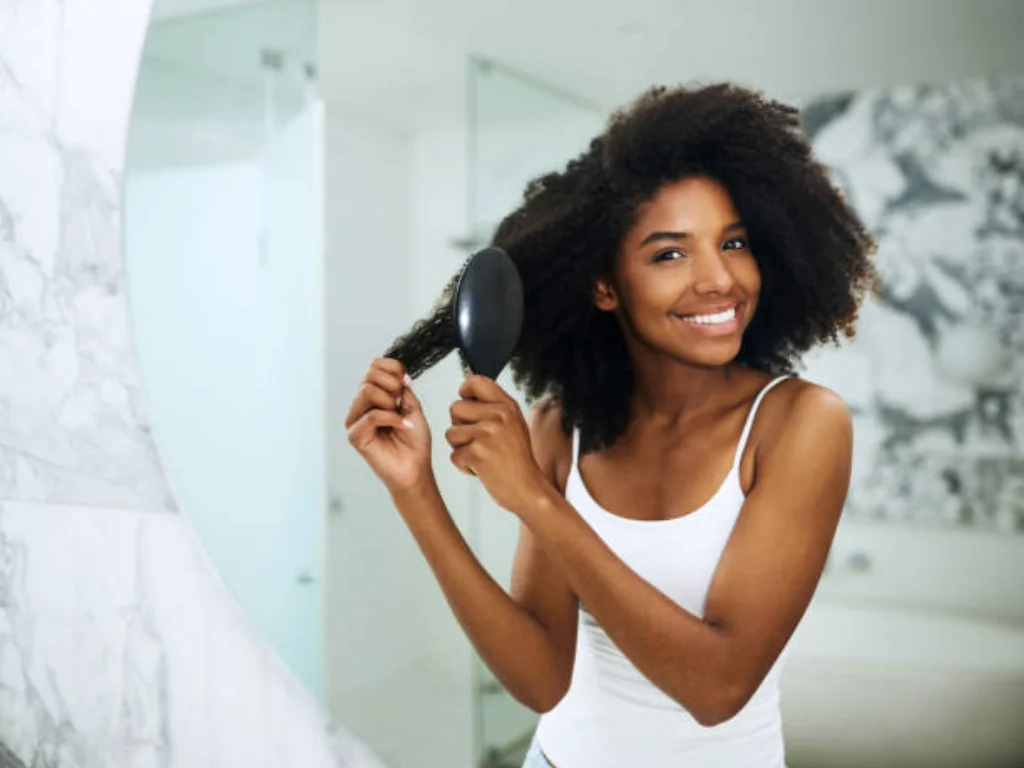
Also known as Brazilian blowouts or smoothing systems, keratin treatments coat the hair with protein to reduce frizz, increase shine, and make the hair more manageable. While not completely straightening curly hair, it loosens the pattern and smooths texture.
Best for: Thick, frizzy, or high-porosity hair in need of smoothing and softening
How it works: Hair is washed, treated with a keratin-infused formula, blow-dried, and flat ironed to lock in the treatment. Results can last for several weeks with the right care.
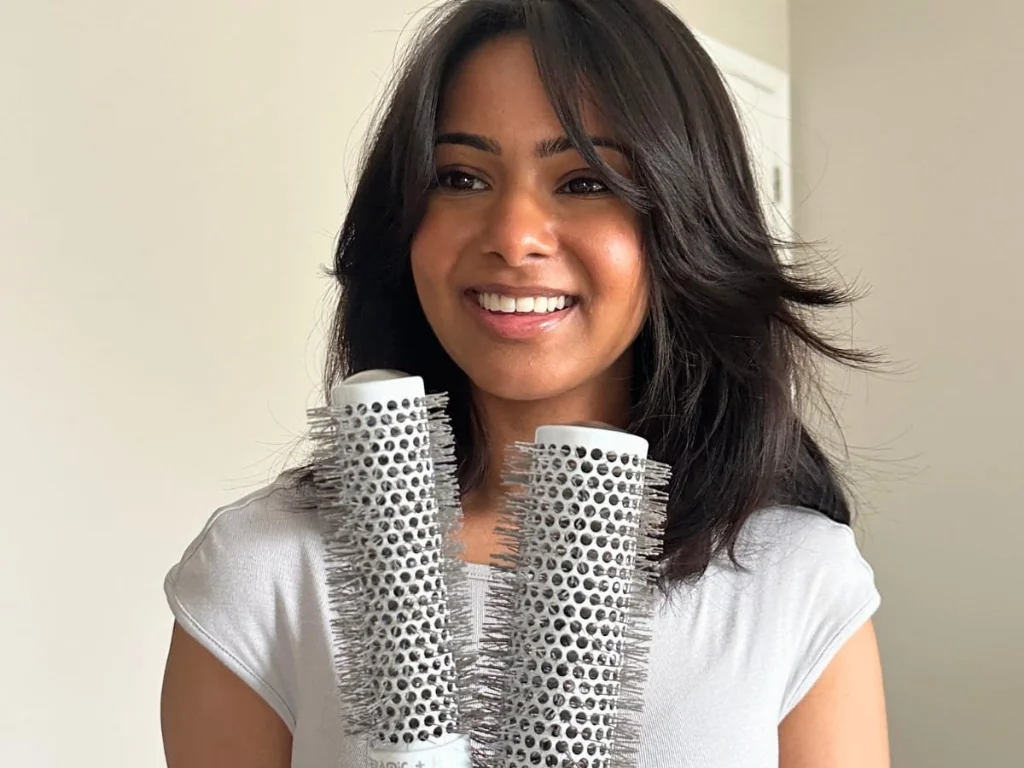
Blow Drying With A Round Brush
This classic salon technique uses tension and controlled heat to stretch curls while adding body, bounce, and softness. It’s perfect for those who want a voluminous straight look that still retains movement and flexibility.
Best for: Achieving a fuller, bouncy straight style with less stiffness
How it works: Hair is sectioned and dried using a blow dryer with a concentrator nozzle and a round brush. The brush provides tension while directing heat down the hair shaft to smooth and straighten. Often used before flat ironing or worn alone for a softer finish.
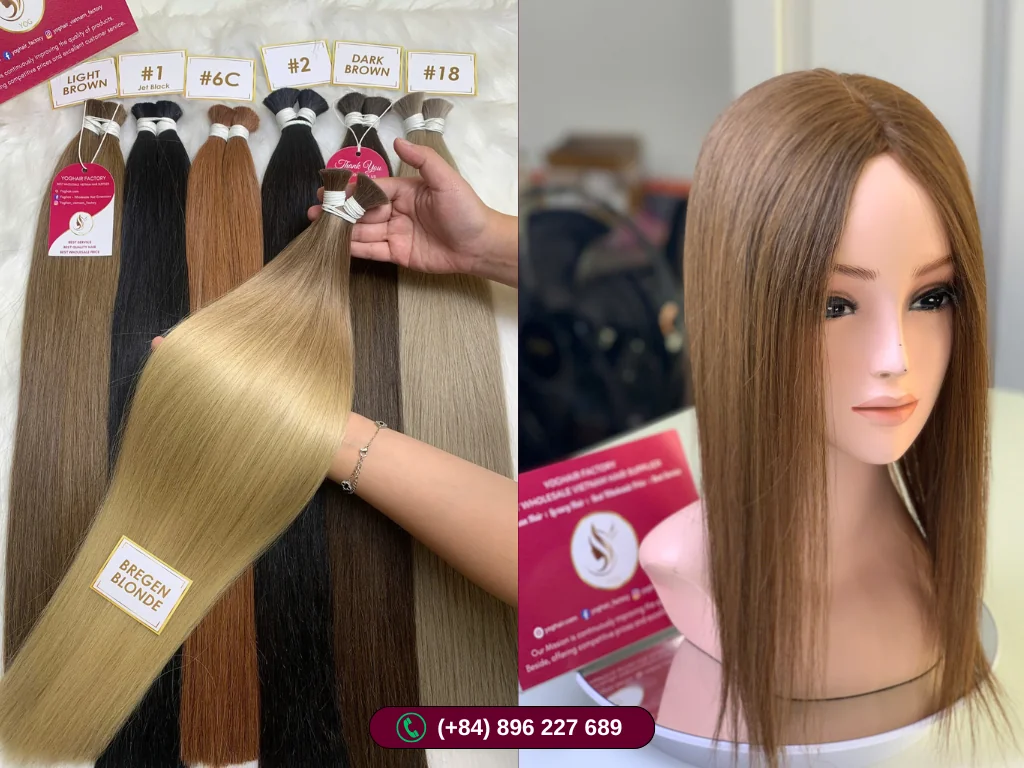
Yoghair – Premium Straight Hair Extensions and Wigs for Black Women
Not everyone wants to straighten their natural hair – and that’s perfectly okay! If you’re looking for a sleek, straight-hair look without the heat or chemical treatments, Yoghair has you covered. We specialize in premium-quality straight hair extensions and wigs designed to beautifully complement black women’s natural beauty and texture.
Why choose Yoghair?
- 100% Virgin Hair: Soft, healthy, and completely unprocessed for the most natural feel
- Tangle-Free & Long-Lasting Bundles: Engineered for durability and minimal shedding
- Easy-to-blend Textures: Matches well with relaxed or natural leave-out for a flawless blend
- Perfect for Protective Styling: Maintain your natural hair health while switching up your look effortlessly
Whether you’re transitioning, growing out your natural hair, or simply want a low-maintenance straight style, Yoghair’s straight hair solutions give you the freedom to style without compromising hair health.
Explore Yoghair’s premium collection now at:
- Website: yoghair.com
- Instagram: @yoghair_wholesale_factory
- WhatsApp: +84896227689
- Email: wholesaleyoghair@gmail.com
- Facebook: https://www.facebook.com/yoghairfactory
Is It Possible To Make African Hair Straight?
Yes. African hair can be straightened using methods such as heat styling (flat iron, silk press), chemical relaxers, or keratin treatments. These approaches vary in longevity and impact, so choosing the right one depends on your desired results and commitment to hair health.
What Ethnicity Has Naturally Straight Hair?
Naturally straight hair is most commonly found among people of East Asian descent, particularly those from China, Japan, Korea, and Mongolia. Some Indigenous peoples of the Americas and certain European ethnicities may also have naturally straight hair, though less uniformly. However, due to centuries of global migration and intermixing, straight hair can now appear across various ethnicities – including some individuals in the black community.
Conclusion
So, can black people have naturally straight hair? Absolutely – but it’s rare and typically influenced by genetics and heritage. black hair is incredibly diverse, ranging from tightly coiled to loosely wavy to bone straight. Whether your hair grows that way naturally or you choose to straighten it, your style is valid and beautiful.


 Ms. Jenifer
