
Wondering how to dye bundles without ruining the hair? Whether you’re aiming for a bold new color or a subtle tone, learning how to dye bundles properly ensures vibrant results and minimal damage. In this guide, we’ll walk you through the best methods, products, and aftercare tips to successfully color your human hair bundles at home or in a salon — even if it’s your first time.

Why dyed hair bundles get damaged easily
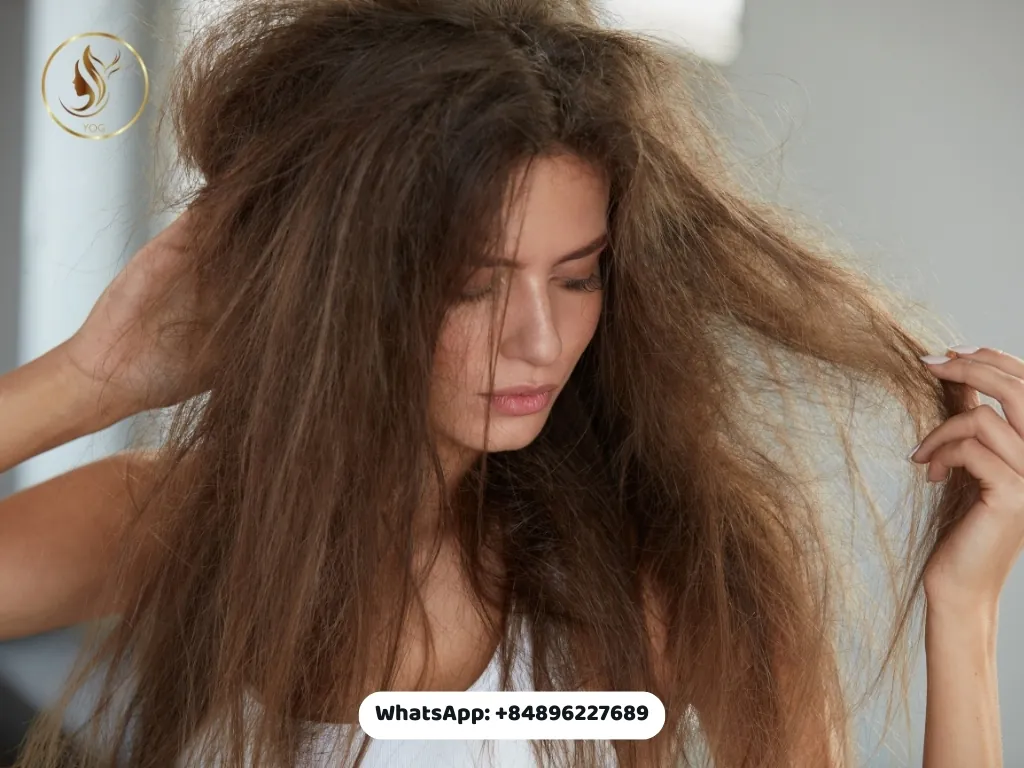
Many people are surprised by how quickly hair bundles lose their shine or become brittle after dyeing. Unlike natural, growing hair that’s nourished by your scalp’s oils, hair bundles are no longer connected to a living source of moisture or protein, making them much more vulnerable to chemical damage. Here’s a breakdown of the most common reasons dyed bundles get damaged
- Lack of natural oils and moisture retention: Unlike your natural hair, bundles (especially virgin Vietnamese hair or remy hair) don’t get the benefit of sebum from the scalp. This makes them more prone to dryness and breakage after coloring, especially if you’re using harsh dyes or heat without deep conditioning treatments.
- Overprocessing with bleach or high-lift colors: When people search for guides on how to dye bundles with bleach, they often underestimate how strong bleach is, even a single session can strip the bundle’s cuticle layer. Bleaching raises the hair’s cuticle to remove the pigment, which makes the strands more porous, fragile, and prone to snapping. If you then add vibrant colors like red or pastel, the already-weakened hair may not hold up well without protein treatments and care routines
- Incorrect use of water dyeing methods: Water method known from videos on how to dye bundles in water can be a gentle and even way to color bundles, but it’s not without risk. If the water is too hot or the dye too concentrated, the bundles can become over-processed or unevenly colored, and excess heat may weaken the strands over time.
- Low-quality or non-human hair: Some people attempt to follow guides like how to dye bundles black using synthetic or blended hair, which cannot absorb dye the same way human hair does. These fibers either don’t take color at all or get damaged quickly by the chemicals in hair dye.
- Skipping pre and post-dye hair care: Proper prep and aftercare are often overlooked when people rush into DIY tutorials. Whether you’re learning how to dye bundles red or just want a rich black tone, skipping essential steps like clarifying shampoo, strand testing, or deep conditioning can lead to breakage, dullness, and frizz.
What you’ll need before dye bundles
Before you dive into learning how to dye bundles, whether you’re aiming for bold red, jet black, or even using the boiling water method, it’s essential to gather the right tools and products to dye human hair extensions safely and evenly. Prepping properly not only ensures vibrant, even color but also protects your hair bundles from unnecessary damage. Here’s a checklist of everything you need to dye hair bundles like a pro.
- High-quality hair dye: The very foundation of your dyeing project lies in the hair bundles you choose. Choose the best hair dye for bundles based on your hair type and desired color intensity. The quality of these strands will significantly impact the final color outcome and their ability to withstand the dyeing process.
Therefore, it’s paramount to confirm that your bundles are indeed Vietnamese human hair bundles. Furthermore, consider whether your human hair is virgin (untreated) or already processed. Virgin hair tends to absorb dye more effectively and is generally less prone to damage. If your bundles have already undergone chemical treatments such as previous coloring or perming, they might possess a higher porosity and necessitate extra caution, potentially requiring a more thorough strand test.
- Select the right dye: Choose your color based on your desired result such as black, red, blonde, or a vibrant fashion color. Make sure to pick a trusted brand, and if you’re using permanent dye, you’ll also need a developer (usually 20 or 30 volume for home use). If you’re aiming for intense or lighter shades, can you bleach bundles before dyeing? A bleach kit typically includes a powder lightener and developer, which must be mixed properly to safely lift the hair color before applying a new one.
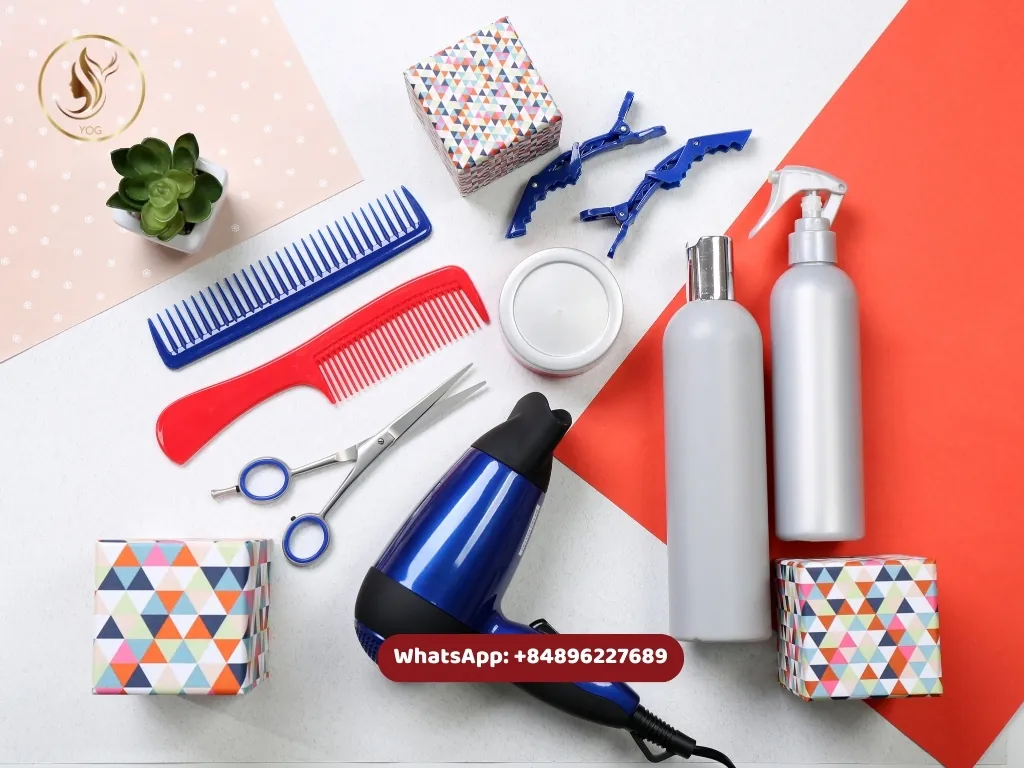
- Application tools: This includes gloves to protect your hands from staining and irritation, a mixing bowl, an applicator brush for even color distribution, and clips to help you section the hair. A wide-tooth comb is helpful for detangling the bundles both before and after dyeing. For workspace protection, have a dye-safe surface like foil, plastic, or an old towel to lay the bundles flat during application. This is particularly useful when using techniques like how to dye bundles in water, where heat and liquid can be involved.
Step-by-step: How to dye bundles at home
Dyeing hair bundles at home can be simple and effective when you follow the correct process. Whether you’re learning how to dye bundles black, adding vibrant color, or prepping for a custom wig install, following these professional steps will help you achieve salon-quality results while protecting the integrity of your bundles.
Step 1: Mix the dye according to instructions
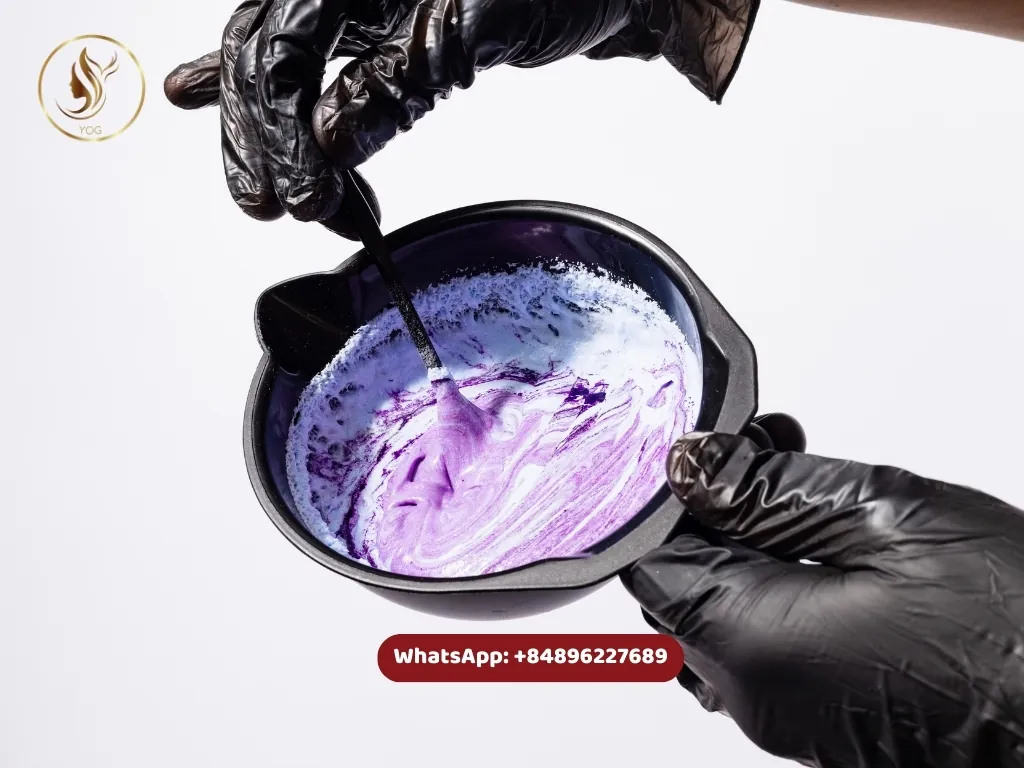
The first step in dyeing hair bundles is preparing the dye, as the quality of the mix directly impacts the color outcome. Begin by reading the instructions on your chosen hair dye carefully. After that, you combine the dye with the appropriate developer for human hair in a non-metallic mixing bowl, typically a 10- or 20-volume developer, depending on the desired lift. Measure the components precisely using the ratios provided in the instructions to ensure consistency.
Stir the mixture with a tint brush until it’s smooth and free of lumps, as an uneven mix can lead to patchy results. If you’re dyeing a large number of bundles, prepare enough dye to cover all the hair, but avoid mixing too much to prevent waste.
Step 2: Section the bundles evenly
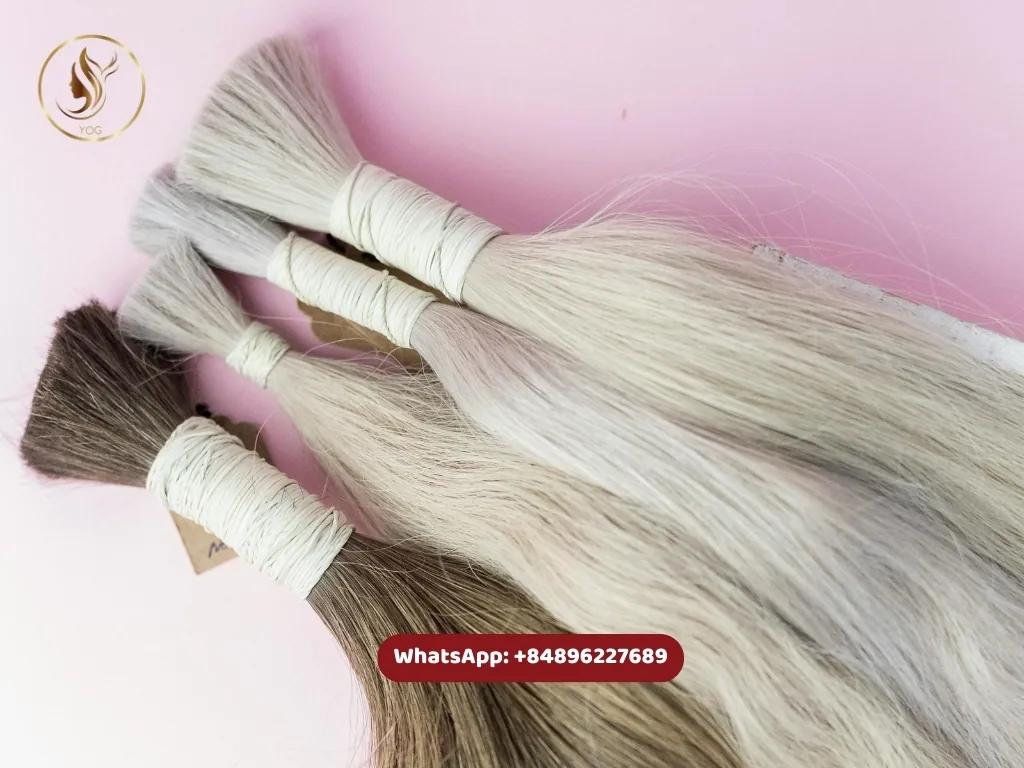
Proper sectioning ensures that every strand of your hair bundles is evenly coated with dye, preventing missed spots or uneven color. Start by laying your bundles flat on a clean, protected surface, such as a table covered with newspaper or a plastic sheet. If the bundles are tangled, gently detangle them with a wide-tooth comb to ensure smooth application.
Depending on the bundle’s thickness, divide each bundle into smaller, manageable sections, typically two to four sections per bundle. For longer or denser bundles, consider further subdividing to ensure thorough coverage. If you’re dyeing multiple bundles, work on one bundle at a time to maintain control and avoid rushing.
Step 3: Apply dye from top to bottom
With your dye mixed and bundles sectioned, it’s time to apply the dye for full, even coverage. Using a tint brush, start at the top of each sectioned bundle and work your way down to the ends, ensuring every strand is saturated. This top-to-bottom approach helps distribute the dye evenly and prevents pooling at the ends, which can cause overly dark or uneven color.
For human hair bundles, focus on coating the hair shaft thoroughly, as virgin or remy hair absorbs dye well but requires complete saturation for vibrant results. If you’re dyeing synthetic bundles, follow the dye’s specific application instructions, as some synthetic fibers may need lighter or more careful application.
As you work, periodically comb through the section with a wide-tooth comb to spread the dye evenly and remove excess product. If you notice any dry spots, apply additional dye immediately. Once all sections are covered, gently massage the dye into the hair with gloved hands to ensure no strands are missed.
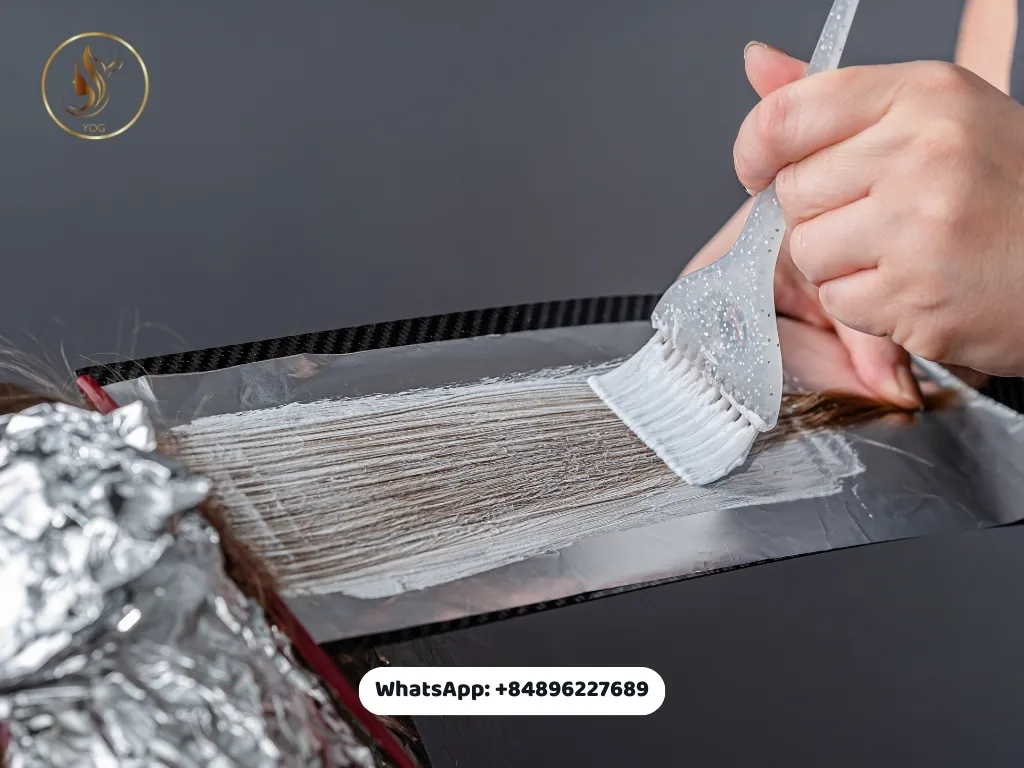
Step 4: Let the color process (with time guidelines)
After applying the dye, the color needs time to process and develop fully, bonding with the hair fibers for lasting results. Check the dye’s instructions for specific processing times, as these vary by brand and bundle type. For human hair bundles with permanent dye, processing typically takes 20 to 45 minutes, depending on the dye and developer strength. Semi-permanent dyes may require 15 to 30 minutes, while synthetic dyes often need 30 to 60 minutes, sometimes with heat application as per the instructions.
To ensure accuracy, set a timer as soon as you finish applying the dye to the last bundle. If you’re aiming for a lighter or more vibrant color, check the color periodically by wiping a small section with a damp cloth to assess progress, but avoid over-processing, which can damage human hair or alter synthetic fibers.
For even processing, loosely cover the bundles with plastic wrap or a shower cap to trap heat and maintain moisture, especially for bold colors. Keep the bundles in a well-ventilated area to avoid inhaling fumes, and monitor the time closely.
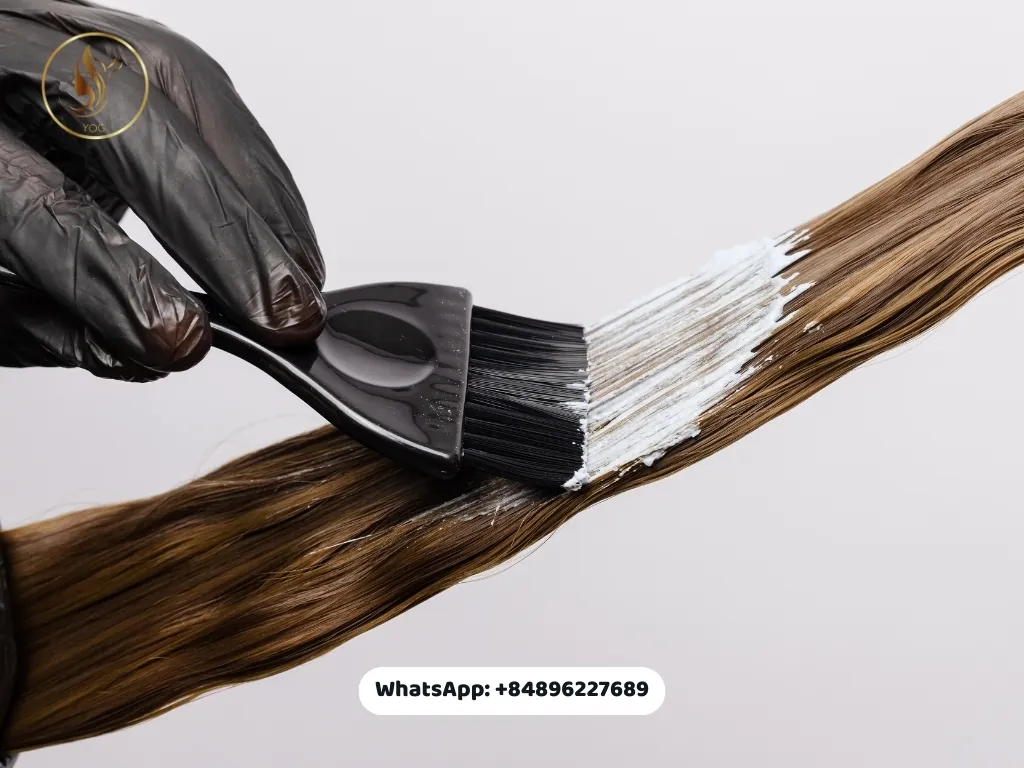
Step 5: Rinse bundles thoroughly
Once the processing time is complete, rinsing the bundles removes excess dye and reveals the final color. Begin by rinsing each bundle under lukewarm running water, as hot water can fade the color and cold water may not remove all residue. Hold the bundle at the top to prevent tangling and let the water flow from top to bottom, gently squeezing the hair to release the dye. Continue rinsing until the water runs completely clear, indicating that all excess dye has been removed.
For human hair bundles, this step may take several minutes, especially for darker or more vibrant colors. Synthetic bundles may rinse faster but require careful handling to avoid damaging the fibers. Avoid using shampoo immediately after rinsing, as it can strip the fresh color; instead, rely on water to clean the bundles. Once rinsed, gently squeeze out excess water without wringing or twisting the hair, which can cause frizz or breakage, especially in human hair bundles.
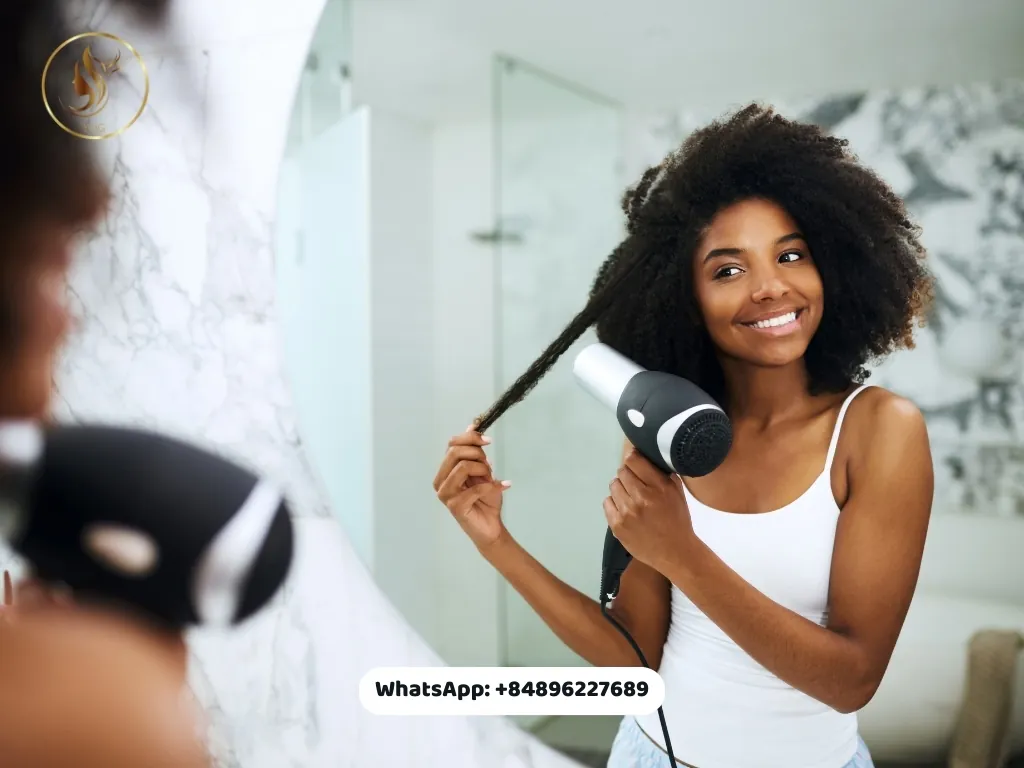
Step 6: Deep condition and air dry
The final step is to nourish and dry the bundles, locking in moisture and preserving the color’s vibrancy. After rinsing, apply a generous amount of deep conditioner designed for color-treated hair to each bundle, focusing on the mid-lengths and ends where dryness is most likely.
For human hair bundles, choose a sulfate-free, color-safe conditioner with hydrating ingredients like shea butter or argan oil to restore softness and prevent damage from the dyeing process. Synthetic bundles may require a specialized conditioner or no conditioner at all, depending on the manufacturer’s guidelines.
Work the conditioner through the hair with your fingers or a wide-tooth comb, then let it sit for 5 to 10 minutes to penetrate deeply. Rinse the conditioner out thoroughly with lukewarm water, ensuring no residue remains. To dry, gently pat the bundles with a clean, dark-colored towel to absorb excess water, avoiding light towels that may pick up residual dye.
Allow the bundles to air dry on a flat surface or hang them to maintain their shape, as air drying minimizes heat damage and preserves the color’s brilliance. Once dry, style the bundles as desired to admire your vibrant, professional-quality results.
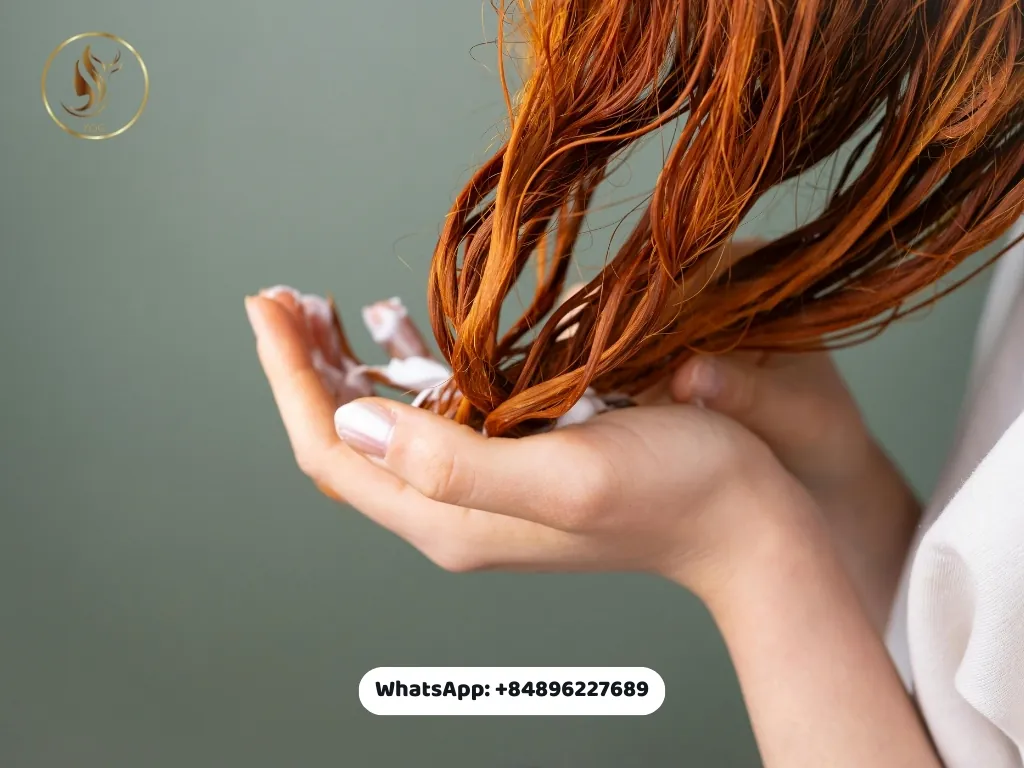
How to maintain the quality of dyed bundles?
Once you’ve learned how to dye bundles and achieved the perfect shade, maintaining a consistent dyed hair care routine is key to long-lasting shine and softness. Dyed bundles, especially 100% human hair, can remain soft, vibrant, and reusable for multiple installs if properly cared for. Below is a detailed guide on how to keep your colored bundles in top condition.
- Use sulfate-free, color-safe shampoo and conditioner: After dyeing bundles, avoid regular shampoos with sulfates or alcohol. These ingredients strip the hair of its natural oils and fade the dye much faster. Instead, use a sulfate-free, color-safe shampoo that’s gentle and hydrating.
- Minimize heat styling: One of the quickest ways to ruin dyed bundles is through constant heat exposure. If you must use heat, always apply a quality heat protectant first. Whenever possible, let bundles air dry and style them with heat-free methods like flexi rods or roller sets to preserve the hair’s integrity.
- Store bundles properly between uses: When your bundles aren’t installed, store them carefully to avoid tangling and breakage. Lay them flat or place them in a satin or silk storage bag. Never toss dyed bundles into drawers or bags without securing them first. You can also gently braid or twist them before storage to help preserve wave or curl patterns.
- Avoid Chlorine, saltwater, and UV exposure: If your dyed bundles are installed and you plan to swim or spend a lot of time in the sun, take precautions. Chlorine and saltwater can dry out and discolor dyed hair quickly. UV rays also fade hair dye, especially lighter colors like copper or blonde. You should wear a swim cap when swimming, and use UV-protective hair sprays or serums when exposed to the sun for long periods.
Conclusion
Now that you know how to dye bundles at home like a pro, achieving salon-worthy color results has never been easier. By following these expert tips, you can customize your bundles with confidence and keep them looking stunning for weeks. Ready to begin your transformation? Shop top-grade, dye-friendly bundles now at Yoghair and bring your custom color vision to life.
- Instagram: @yoghair_wholesale_factory
- WhatsApp: +84896227689
- Email: wholesaleyoghair@gmail.com


 Ms. Jenifer
