
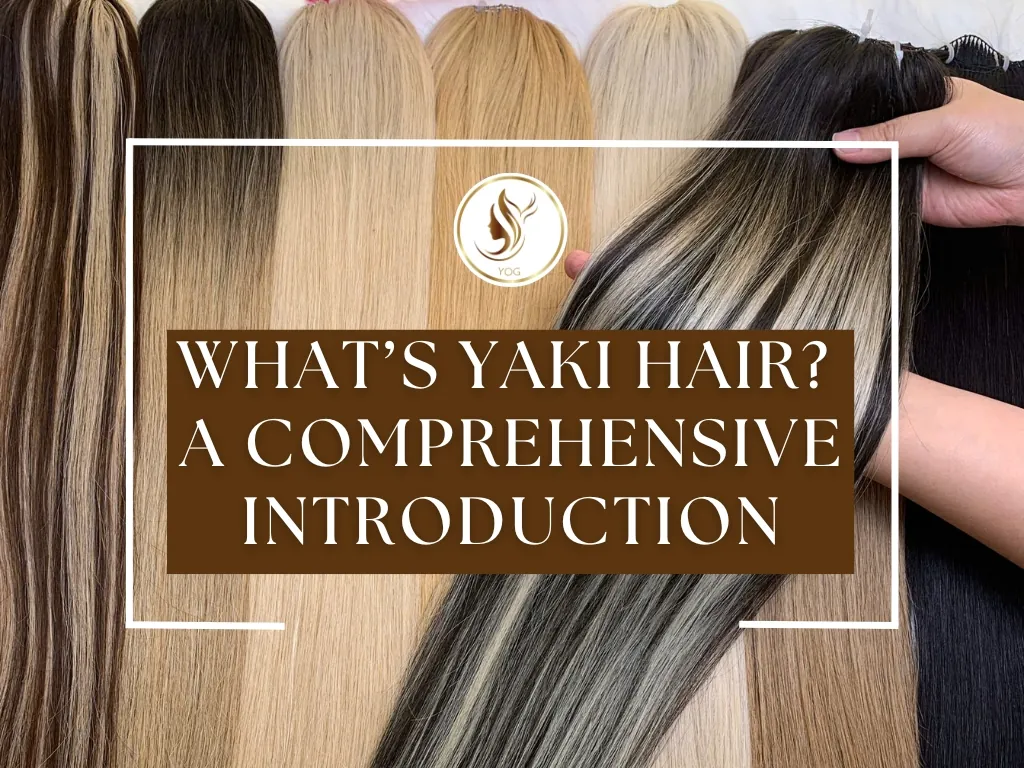
If you’ve ever wondered “what’s yaki hair?”—you’re not alone. Yaki hair has become a staple in the hair extension world for those seeking a textured, natural-looking straight style. Whether made from human or synthetic fibers, yaki hair is designed to mimic the appearance of relaxed or pressed Afro-textured hair, offering volume, realism, and versatility. In this guide, we’ll explore what yaki hair is, how it differs from other straight styles, and why it’s a favorite choice for many looking to maintain texture while enjoying a sleek finish.
What exactly is Yaki Hair?
What is yaki hair? At its core, yaki hair is a type of textured hair extension or wig fiber that’s specifically designed to replicate the look of Afro-textured hair that has been relaxed, flat-ironed, or blow-dried. Unlike silky straight hair, which is bone-straight and smooth, yaki hair retains a subtle texture, slightly coarse, natural-looking, and full of body. This comparison—yaki hair vs silky straight—highlights the key difference in texture and realism. This makes it the go-to choice for individuals who want extensions that blend seamlessly with naturally textured or chemically relaxed hair.
You might be wondering, what is yaki hair made of? Yaki hair is crafted from 100% raw human hair, synthetic fibers, or a blend of both. Human yaki hair offers the most versatility, allowing you to apply heat, dye, and restyle without compromising quality.
Synthetic yaki hair, while more budget-friendly, doesn’t tolerate heat or chemical treatments as well, making it ideal for low-maintenance styles. Some brands also offer blended yaki hair, which combines human and synthetic fibers for a balance between cost and styling flexibility.
What is yaki hair used for? Its main purpose is to create styles that maintain the natural appearance of textured Black hair, even when straightened. Yaki hair is incredibly versatile and is commonly used for sew-ins, wigs, clip-ins, ponytails, and more. Whether you want a temporary change or a protective style, yaki hair lets you add length and volume while preserving a natural aesthetic. Yaki hair for Black women is especially popular because it maintains the natural appearance of relaxed or blow-dried hair.
Types of Yaki Hair
When exploring textured hair extensions, it’s essential to understand the different types of Yaki hair so you can choose the texture that best suits your style and natural hair.
Yaki hair is not a curl pattern, but rather a textured finish that mimics various states of straightened Afro-textured hair. The variations in texture allow for a highly natural and versatile look, whether you’re creating a protective style or enhancing volume and length.
Now let’s break down the main types of Yaki hair available on the market:
Silky Yaki Hair (also known as Yaki Straight)
This is the smoothest and sleekest version of Yaki hair. When people ask, “what is yaki hair straight,” they are often referring to Silky Yaki.
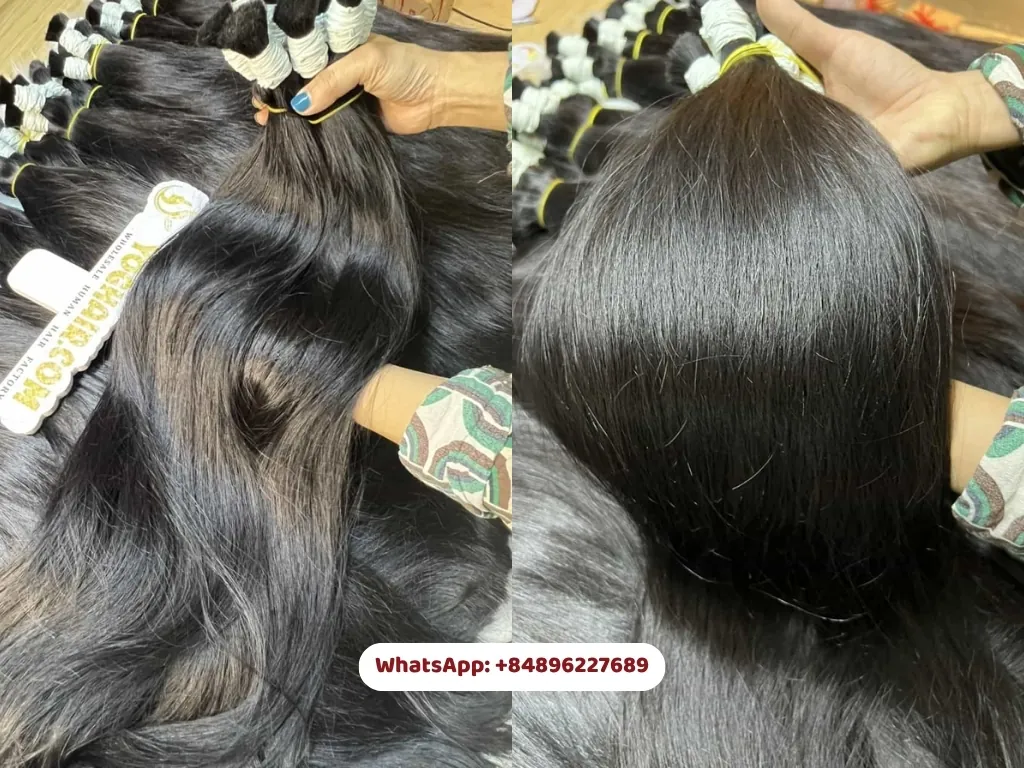
It has a very subtle micro-crimp, giving it a soft, fluid look that resembles freshly flat-ironed or relaxed Afro-textured hair. It’s designed for those who desire a bone-straight appearance but with a hint of natural texture, preventing it from looking overly shiny or “wiggy.” This type is popular for creating sleek yaki hair weaves and elegant yaki hair wigs that blend effortlessly with chemically straightened hair, especially human hair yaki wigs, which offer a realistic look and lasting quality.
Regular Yaki Hair
Often simply what is yaki hair called when referring to the most common textured option, Regular Yaki strikes a balance between the smoothness of Silky Yaki and the more pronounced texture of Coarse Yaki. It has a slightly rougher, more relaxed texture than Silky Yaki, mirroring Afro-textured hair that has been relaxed a few weeks ago or has a slight natural body to it.
This versatility makes it a go-to choice for yaki hair bundles because it offers volume and a natural feel that blends well with a wide range of relaxed hair states, especially for those searching for the best yaki hair bundles that blend effortlessly.
Coarse Yaki Hair (sometimes called Italian Yaki)
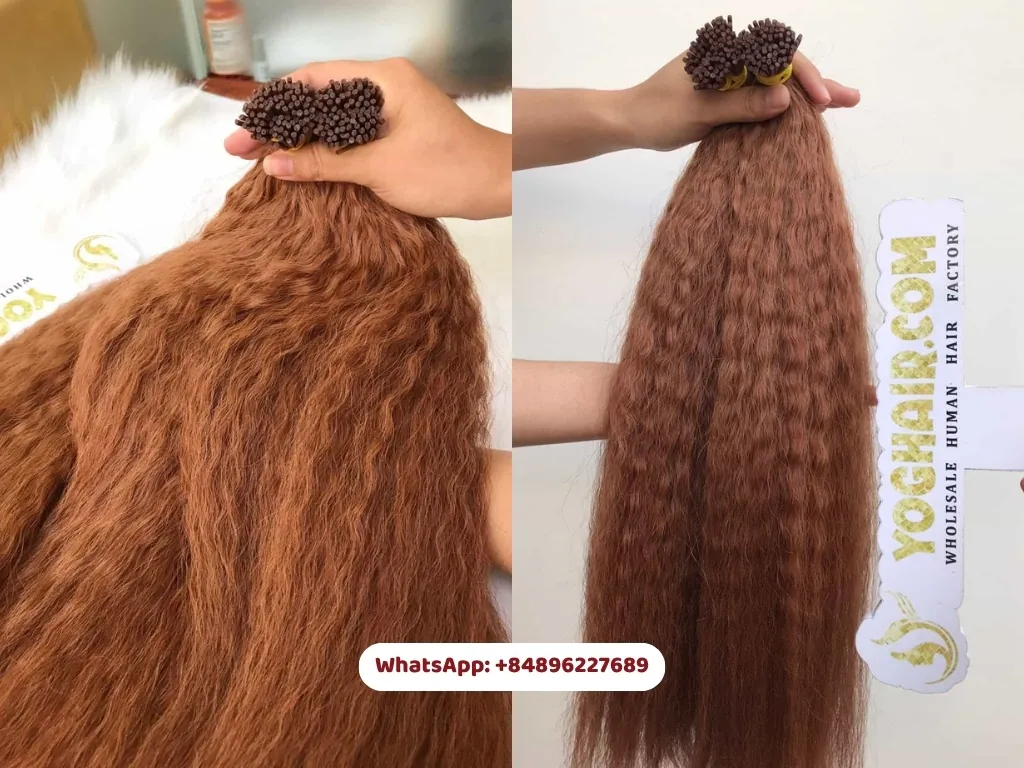
This type presents the most textured and voluminous appearance within the Yaki family. Coarse Yaki closely mimics the look and feel of natural Afro-textured hair that has been blow-dried but not pressed or relaxed. It has a significant amount of micro-kinks or crimps, giving it a full, fluffy, and very authentic look.
For individuals seeking to add considerable volume or to blend with hair that has been blow-dried straight (but still retains its natural body), Coarse Yaki yaki hair bundles are an excellent choice. It’s also often used in yaki hair wigs to achieve a voluminous, natural blowout style.
Kinky Yaki Hair (or Kinky Straight)
While some might consider this a distinct category, Kinky Yaki often falls under the broader Yaki umbrella due to its purpose of mimicking a straightened Afro texture. However, it’s designed to resemble natural Afro-textured hair that has been blow-dried and then lightly straightened, or has very tight curls/kinks that have been stretched out.
It has the most pronounced texture among the Yaki types, offering maximum volume and a truly natural, unrelaxed appearance. This texture is ideal for creating voluminous yaki hair weaves and yaki hair wigs that blend with hair that has not been chemically straightened but has been styled for volume.
Why choose Yaki Hair?
In the diverse world of hair extensions and wigs, selecting the right texture is paramount for achieving a natural, cohesive look. Among the myriad options, Yaki hair stands out as a uniquely versatile and highly sought-after choice, especially for those seeking to seamlessly blend with relaxed or naturally textured hair. So, why choose Yaki hair over other textures? The answer lies in its distinctive characteristics and the specific needs it caters to.
- Unmatched natural blending: The primary and most compelling reason to choose Yaki hair is its exceptional ability to mimic the texture of relaxed Afro-Caribbean hair. Unlike silky straight hair, which can often look too sleek and shiny when paired with textured natural hair, Yaki hair possesses a subtle, almost imperceptible micro-crimp or frizz. This subtle texture gives it a more organic, less processed appearance.
When you ask what is yaki hair used for, its main purpose is to create that perfect visual and tactile match, ensuring that your extensions or wig looks as if it’s truly growing from your scalp. Whether you opt for yaki hair bundles for a custom sew-in or a ready-to-wear yaki hair wig, the blend is virtually undetectable, giving you confidence and a genuinely authentic aesthetic.
- Realistic volume and body: Yaki hair naturally offers more volume and body than poker-straight textures. The slight crimp in the strands means the hair doesn’t lie completely flat, providing a fullness that looks incredibly natural and healthy. This inherent volume eliminates the need for excessive styling products or backcombing to achieve a desired lift, making it a low-maintenance option for everyday wear.
Even with what is yaki hair straight (referring to the Silky Yaki variant), it retains enough texture to prevent that artificial, super-flat look, ensuring a more believable silhouette. This characteristic is particularly appreciated in yaki hair weave installations, where added body can transform a flat style into a vibrant, bouncy one.
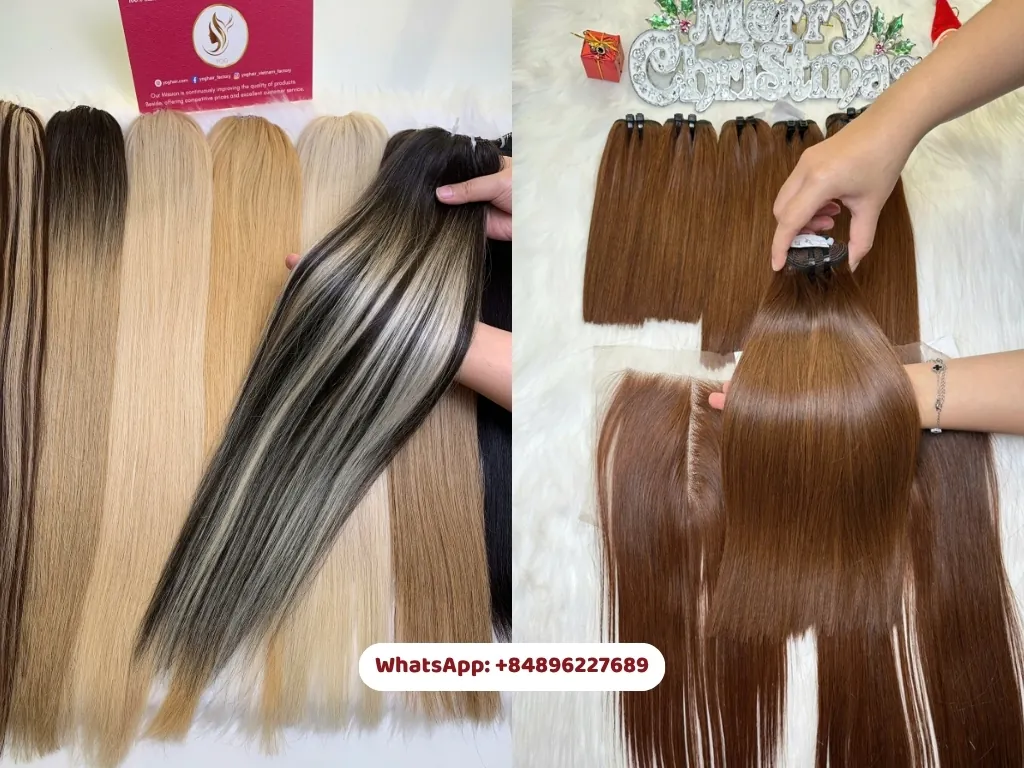
- Versatility in Styling: What is yaki hair made of directly impacts its styling versatility. When crafted from 100% human hair, Yaki extensions and wigs offer incredible flexibility. They can be heat-styled using flat irons, curling wands, or rollers to achieve a variety of looks, from sleek and refined to bouncy curls. This means you’re not limited to one style; you can switch up your look to match your mood or occasion.
Furthermore, human Yaki hair can typically be colored by a professional, allowing for endless customization to match your exact desired shade. Even for those asking what is yaki hair called when referring to the more textured versions like Coarse Yaki, the ability to manipulate it into different styles makes it a highly desirable choice.
- Durability and longevity: High-quality human Yaki hair is renowned for its durability. With proper care, yaki hair bundles, weaves, and wigs can last for many months, sometimes even over a year. The slightly coarser texture tends to hold up well against daily wear and tear, and it’s less prone to tangling compared to very silky textures. This longevity makes Yaki hair a cost-effective investment in the long run, as you won’t need to replace your hair system as frequently.
- Reduced luster for a natural finish: Unlike some synthetic or very shiny human hair extensions that can appear overly glossy and unnatural, Yaki hair inherently has a lower luster. This subtle sheen perfectly mimics the natural light reflection of relaxed or lightly textured hair, further contributing to its believable appearance. This is a significant advantage for those who prioritize discretion and want their extensions to blend seamlessly without drawing unwanted attention.
How to choose the best Yaki Hair
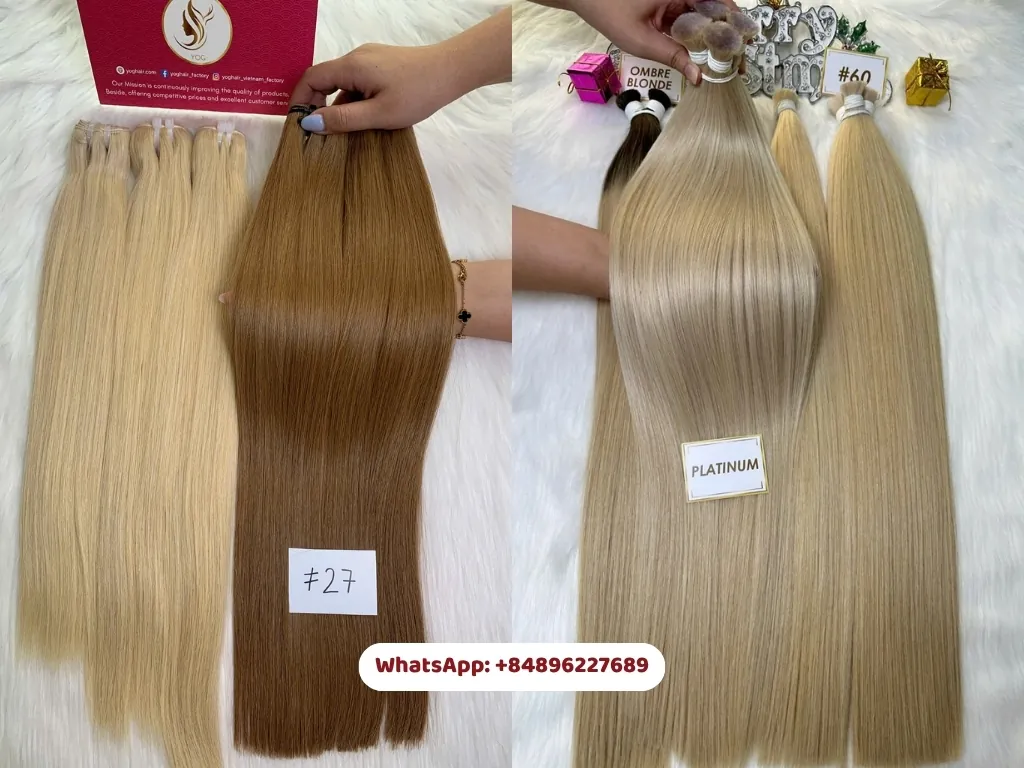
Yaki hair is a popular choice in the hair industry for its ability to mimic the texture of chemically relaxed or permed African hair, offering a natural look for weaves, wigs, and braiding. Choosing the best yaki hair involves evaluating factors like material, texture, quality, length, and intended use, as well as understanding its properties and applications. Below, Yoghair’ll outline a step-by-step guide to help you select the best yaki hair, addressing each keyword to provide context and ensure informed decision-making.
- Determine the material: What is Yaki Hair made of?
This is arguably the most critical decision, as it dictates the hair’s quality, versatility, and price point.
- 100% Human Yaki Hair: This is the gold standard for its natural look, feel, and durability. High-quality human Yaki hair (often Remy or Virgin) allows for heat styling, dyeing, and chemical treatments, just like your own hair. If you want maximum flexibility, a natural sheen, and a long-lasting investment, human Yaki is the way to go. It offers the most authentic blend and stands up well to daily manipulation.
- Synthetic Yaki Hair: More budget-friendly, synthetic Yaki hair is ideal for temporary styles or if you’re experimenting with the Yaki texture for the first time. However, it generally cannot be heat-styled (unless specified as “heat-friendly synthetic”), cannot be dyed, and has a shorter lifespan. Its texture and luster might also appear less natural compared to human hair.
- Blended Yaki Hair: A mix of human and synthetic fibers, these options attempt to offer a balance between natural feel and affordability. While they provide more versatility than pure synthetic, their heat styling and dyeing capabilities are limited by the synthetic percentage.
- Match the texture: Finding your perfect Yaki type
Understanding the subtle variations in Yaki texture is vital for seamless blending. While what is Yaki hair called broadly refers to its relaxed Afro-texture, there are specific types:
- Silky Yaki (or Yaki Straight): If your natural hair is very relaxed and you desire a sleek, straight look with just a hint of texture to prevent it from looking unnaturally flat or shiny, Silky Yaki is your match. It’s the closest to what is yaki hair straight is considered, offering a smooth finish with a very subtle micro-crimp.
- Regular Yaki: This is the most common and versatile type, mirroring hair that has been relaxed a few weeks ago or has a slight natural body. It provides a natural volume and blends beautifully with most relaxed hair textures. If you’re unsure, Regular Yaki is often a safe and popular choice for everyday yaki hair bundles or weaves.
- Coarse Yaki (or Italian Yaki): For those with hair that’s been blow-dried straight but retains significant body, or if you want a more voluminous, natural-looking texture akin to a fresh blowout, Coarse Yaki is ideal. It has a more pronounced crimp and offers maximum fullness.
- Kinky Yaki (or Kinky Straight): This texture is designed to mimic natural Afro-textured hair that has been blow-dried and then lightly straightened. It has the most defined “kinks” that resemble stretched natural hair. It’s perfect for achieving a voluminous, less-relaxed look.
- Consider the application method: Weave, Wig, or Bundles?
What is Yaki hair used for often dictates the form you should buy it in:
- Yaki Hair Bundles: If you’re working with a stylist for a sew-in yaki hair weave or planning to create a custom wig, purchasing yaki hair bundles offers the most flexibility. You can determine the exact number of bundles, lengths, and textures needed for your desired style.
- Yaki Hair Weaves (Pre-made): Some retailers offer pre-made Yaki weaves that are ready for installation. Ensure the track quality is good and the hair density meets your expectations.
- Yaki Hair Wigs: For convenience and versatility, a yaki hair wig is an excellent choice. Look for wigs with comfortable caps, good ventilation, and a natural hairline (e.g., lace front wigs). Check reviews for shedding and tangling.
- Factor in your budget:
Your budget will inevitably influence your choice of what is Yaki hair made of. Human Yaki hair will be a more significant investment upfront but offers greater longevity and versatility. Synthetic Yaki hair is more affordable for short-term use. Balance cost with your specific needs and expected lifespan of the hair.
Conclusion
In conclusion, what is Yaki hair is more than just a style choice, it’s a versatile option that caters to those seeking a textured, natural-looking alternative to silky straight extensions. Understanding the different types of Yaki hair, from kinky to relaxed, empowers buyers to select the best match for their hair texture and styling needs.
Ready to experience the perfect blend? Discover and buy quality Yaki hair and Vietnamese hair wigs that truly match your style at Yoghair today!
- Instagram: @yoghair_wholesale_factory
- WhatsApp: +84896227689
- Email: wholesaleyoghair@gmail.com
- Facebook: https://www.facebook.com/yoghairfactory/


 Ms. Jenifer
