The quest for long, voluminous hair often leads to the world of hair extensions, but it is frequently accompanied by a lingering concern: are tape in extensions bad for your hair? For years, misconceptions about hair loss and breakage have circulated, making many women hesitant to try this popular method. However, hair professionals consistently rank tape-ins as one of the safest and most discreet options available. When installed correctly and maintained with care, these extensions allow you to achieve your dream look without compromising the health of your natural strands.
Why Tape-Ins are Generally Safe for Your Hair
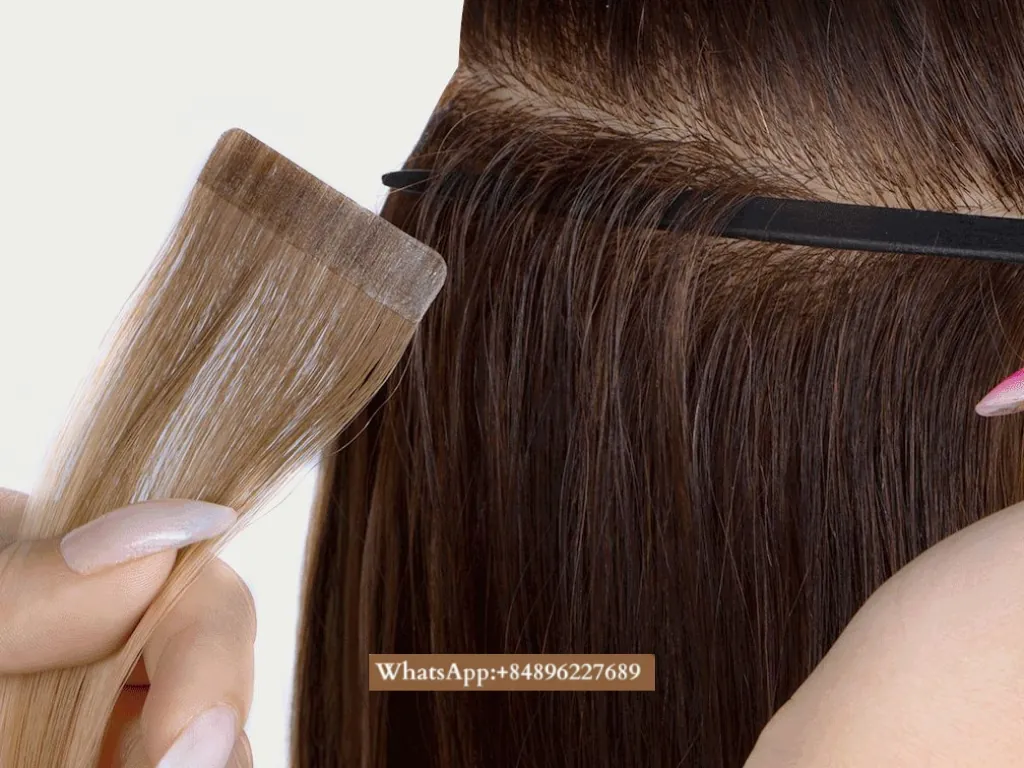
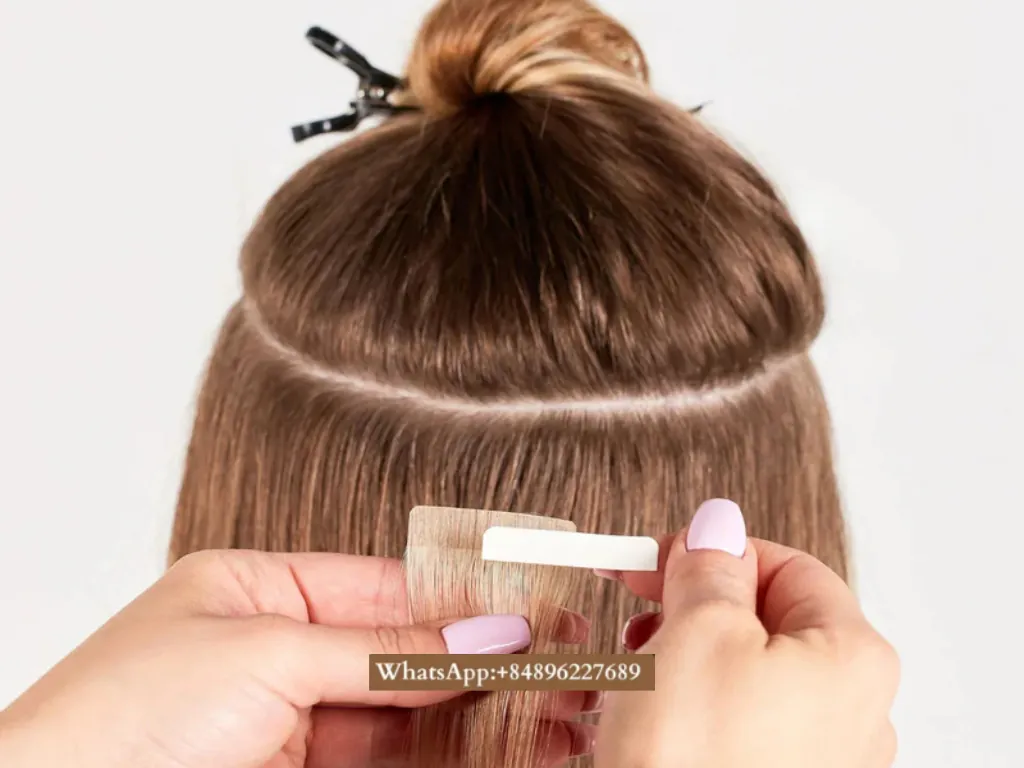
The reason tape-in extensions are favored by stylists worldwide lies in their ingenious design, which focuses on weight distribution and non-invasive application. Unlike older methods that rely on high-heat tools or heavy metal beads—which can crush the hair cuticle—tape-ins utilize a medical-grade, hypoallergenic adhesive. This adhesive creates a secure bond that lies flat against the scalp, mimicking the natural growth of your hair. Furthermore, because each extension panel is approximately 1.5 to 2 inches wide, the weight of the added hair is spread across a larger section of your own hair, significantly reducing the risk of tension and localized breakage.
What Are Tape-In Hair Extensions and How Do They Work?
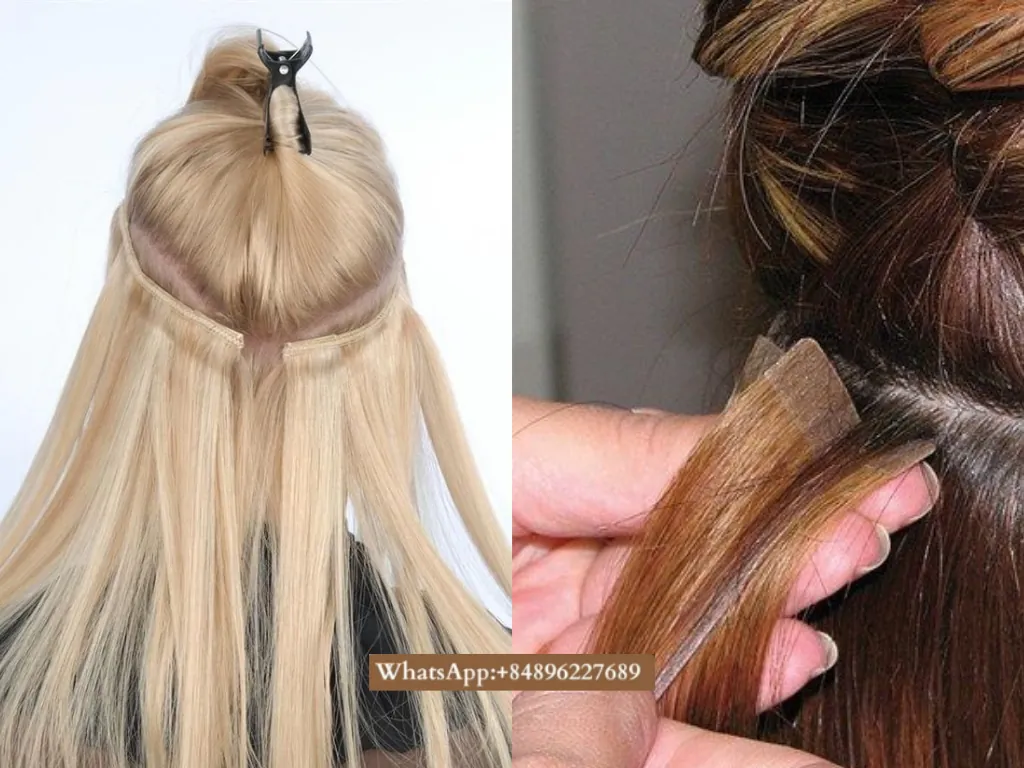
To understand why many ask “are tape in hair extensions bad for your hair”, one must first understand the “sandwich” technique used during application. A professional stylist takes a very thin slice of your natural hair and places it between two pre-taped extension wefts. This method ensures that the extensions are bonded to each other with your hair in the middle, providing a sturdy yet flexible hold. The panels are incredibly thin and lightweight, making them virtually undetectable to the touch and comfortable enough for daily wear, even during physical activities or styling.
The Main Benefits: Why Tape-Ins Outperform Other Methods
One of the standout benefits of tape-ins is the minimal tension they exert on the hair follicles. Traditional individual strand extensions can sometimes act like “anchors”, pulling on small groups of hair and causing discomfort. In contrast, the wider surface area of tape-ins provides a low-tension experience that feels much more natural. Additionally, the installation process is remarkably fast, often taking less than an hour for a full transformation. This efficiency means less time spent in the salon chair and less manipulation of your natural hair, which is always a plus for maintaining hair integrity.
Potential Risks: When Can Tape-In Extensions Cause Damage?
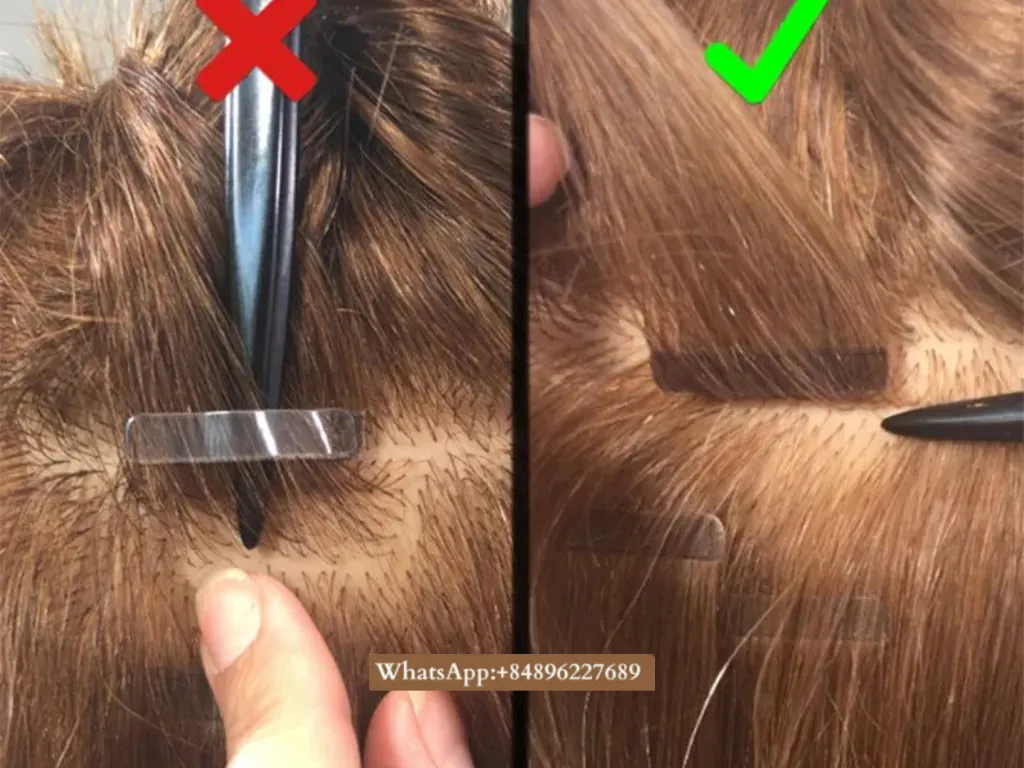
Despite their safety profile, many skeptics still wonder: tape in extensions are they bad for your hair in the long term? The reality is that damage is rarely caused by the product itself, but rather by human error or neglect. If the panels are placed too close to the scalp, they can prevent the natural hair from moving freely, leading to a condition known as traction alopecia. Moreover, failing to visit the salon for a “move-up” appointment every six to eight weeks can be disastrous. As your natural hair grows, the extensions move further down the shaft, where they can begin to twist, mat, and put undue stress on the new growth.
Are Tape-In Extensions Bad for Your Hair if You Have Fine or Thin Hair?
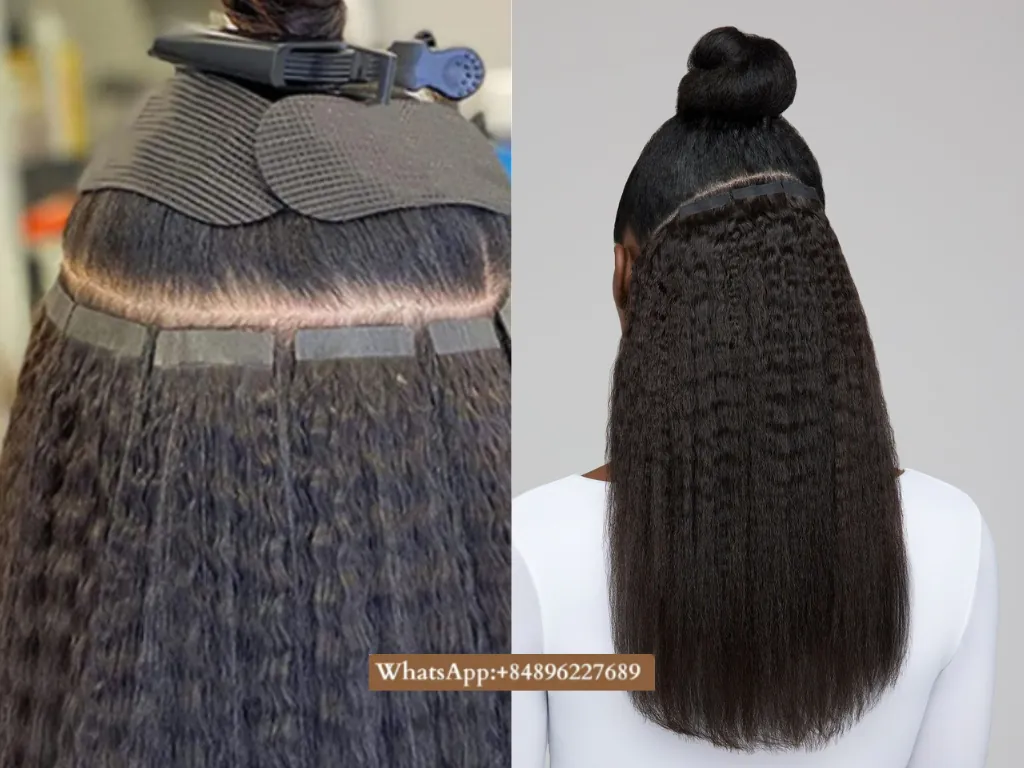
A very common question among those with delicate strands is: are tape-in extensions bad for your hair if it is naturally fine? In most cases, tape-ins are actually the preferred method for fine-haired individuals because they provide the necessary volume without the bulk of wefts or the heaviness of keratin tips. However, it is crucial to distinguish between fine hair and thinning hair. If you are experiencing active, pathological hair loss or your hair is extremely brittle, any form of extension may be too taxing for your follicles. A professional consultation is always necessary to ensure your hair is strong enough to support the added weight.
Read more: 15+ Stunning Hairstyles for Tape In Hair Extensions
Expert Tips to Prevent Damage and Keep Your Hair Healthy
Maintaining the health of your hair while wearing extensions requires a specialized care routine that focuses on moisture and gentle handling. You should always use sulfate-free shampoos, as harsh chemicals can dissolve the adhesive and cause the extensions to slip or leave a sticky residue. When it comes to brushing, using a dedicated extension brush with soft bristles is non-negotiable; you should start from the ends and work your way up while holding the roots to prevent tugging. Furthermore, never go to sleep with wet hair, as moisture trapped in the tape bonds can lead to tangling or even fungal issues. Braiding your hair loosely at night is an excellent way to reduce friction and keep the bonds secure.
Comparing Tape-Ins with Other Extension Methods
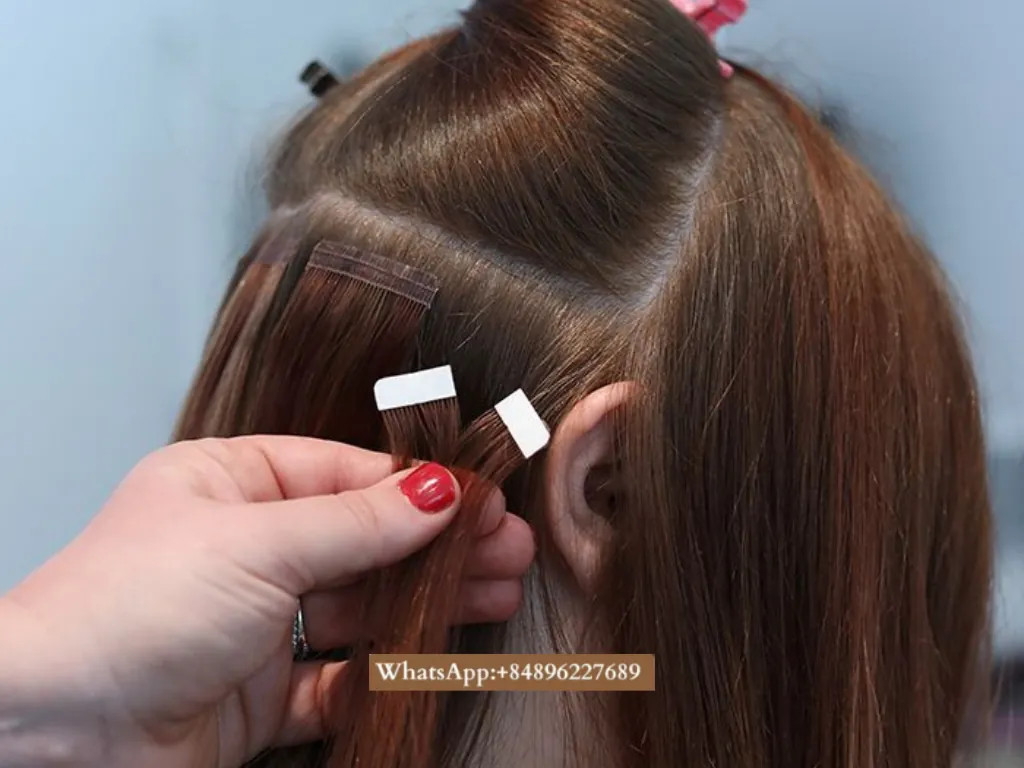
When evaluating how bad are tape in extensions for your hair compared to alternatives, they consistently emerge as the least invasive. Keratin-bond extensions require heat for application, and micro-link extensions use metal rings that can cause physical damage if clamped too tightly. Tape-ins avoid both of these risks entirely. Because they do not require specialized tools that could potentially burn or crush the hair shaft, the removal process—when done with a professional solvent—leaves the natural hair exactly as it was before the installation.
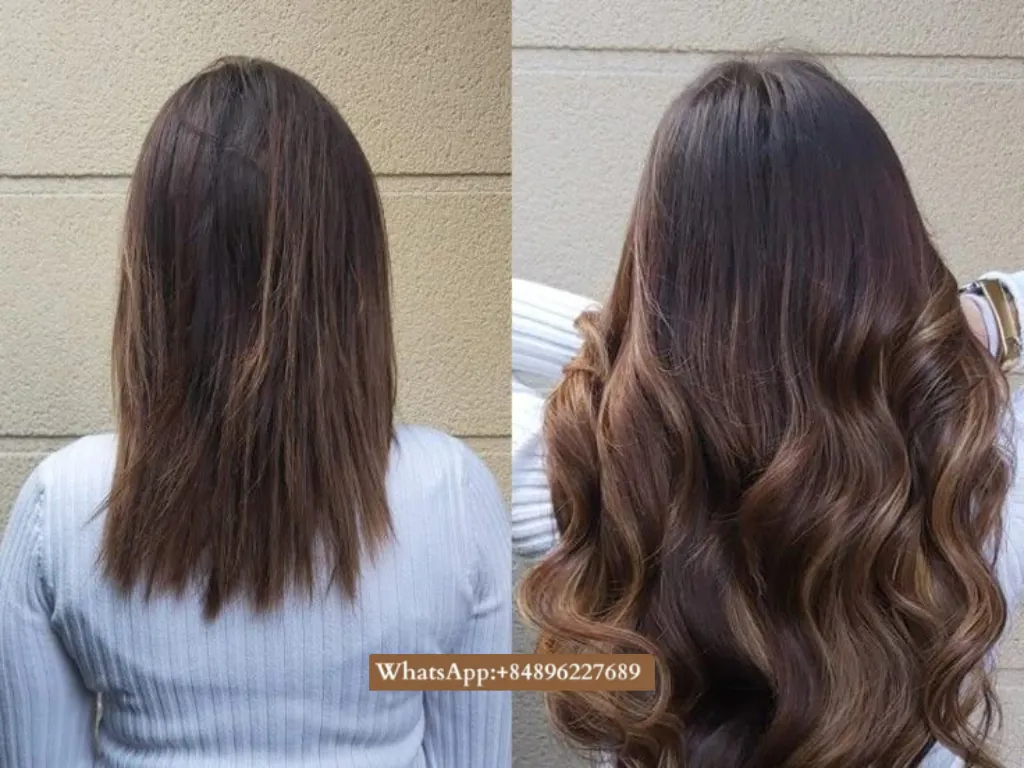
Read more:Top 8 Best Tape-In Human Hair Extensions in 2026
Should You Get Tape-In Extensions?
Ultimately, tape-in extensions are a fantastic investment for anyone looking to enhance their appearance with minimal risk. The key to a damage-free experience lies in choosing high-quality hair, seeking a certified professional for installation, and being diligent with your at-home maintenance. If you’re still wondering, are tape in extensions bad for your hair, the answer largely depends on how well they are applied and cared for. Follow these steps, and you can enjoy the confidence of long, luscious hair while keeping your natural tresses in peak condition.
The debate over whether are tape in extensions bad for your hair ultimately comes down to two things: professional installation and consistent aftercare. When applied correctly by a certified stylist and maintained with the right products, tape-ins are one of the safest, most lightweight methods available for adding length and volume without causing tension or breakage.
While no extension method is 100% risk-free, following a proper move-up schedule and using the recommended removal solutions ensures your natural hair remains healthy and strong. By prioritizing hair health and listening to your stylist’s advice, you can enjoy a seamless, glamorous transformation without the worry of long-term damage.
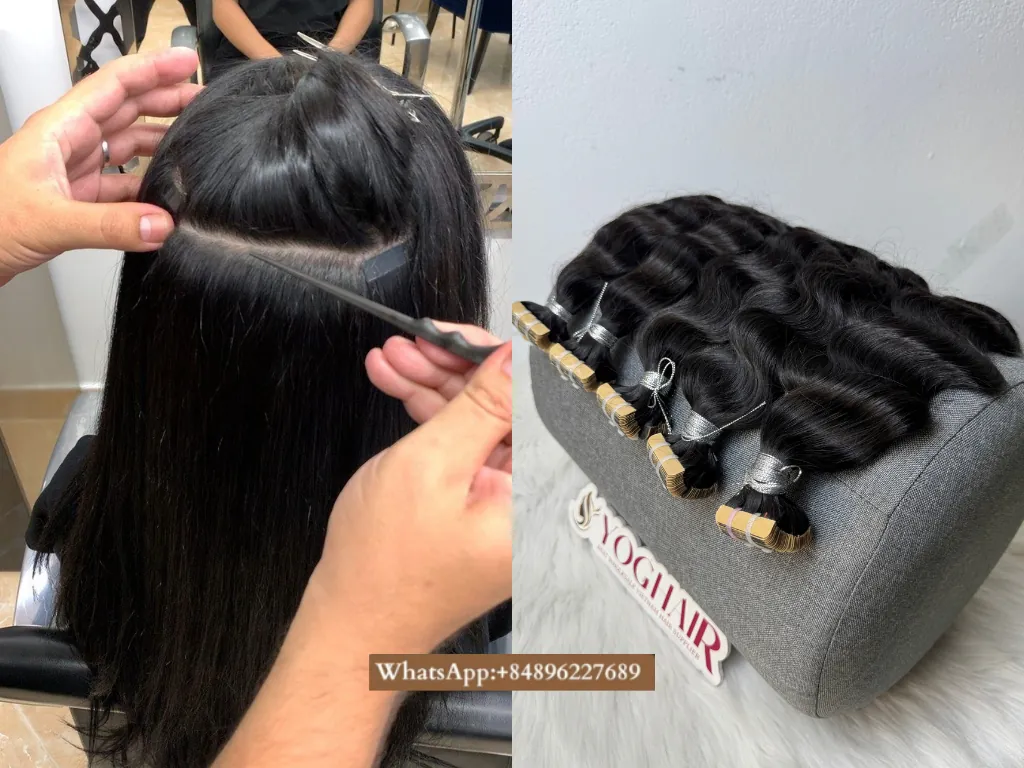
Ready to experience a damage-free hair transformation? Book a consultation with our tape in extension sale teams or browse our ultra-thin, medical-grade tape-ins to find your perfect, lightweight match today!
- Instagram: @yoghair_wholesale_factory
- WhatsApp: +84896227689
- Email: wholesaleyoghair@gmail.com
FAQs
What are the disadvantages of tape in hair extensions?
While highly effective, tape-ins do require a commitment to maintenance. You must avoid oil-based products near the scalp, as these can cause the tape to lose its grip. Additionally, you cannot wash your hair for at least 48 hours after application to allow the adhesive to fully set.
What is the least damaging hair extension?
Tape-ins and Halo extensions are widely regarded as the least damaging. While Halos are great for temporary wear, tape-ins are the superior choice for those who want a semi-permanent solution that stays in place 24/7 without harming the hair.
How badly does tape in extensions damage hair?
When managed by a professional, the damage is virtually non-existent. Problems typically only arise from “DIY” removals at home or leaving the extensions in for too many months, which causes the hair to mat at the root.
What hair extensions does Chris Appleton use?
The legendary Chris Appleton, stylist to icons like Kim Kardashian, often utilizes high-end tape-ins to create the seamless, high-shine volume seen on the red carpet. He favors them for their ability to lie perfectly flat and blend with natural hair textures.


 Ms. Jenifer