Clients frequently ask our stylists, do weft extensions damage your natural hair? The fear of weft hair extensions damage is a common concern among women worldwide. But is this fear justified? The truth is, when installed and maintained correctly, wefts are one of the safest methods available. In this comprehensive guide by YOGHAIR experts, we will uncover the real causes behind hair extension damage, reveal 5 critical red flags, and share top prevention tips so you can flaunt your flawless hair without compromising your natural scalp health. To start your journey safely, explore high-quality weft hair extensions designed to protect your roots.
What Are Weft Hair Extensions?
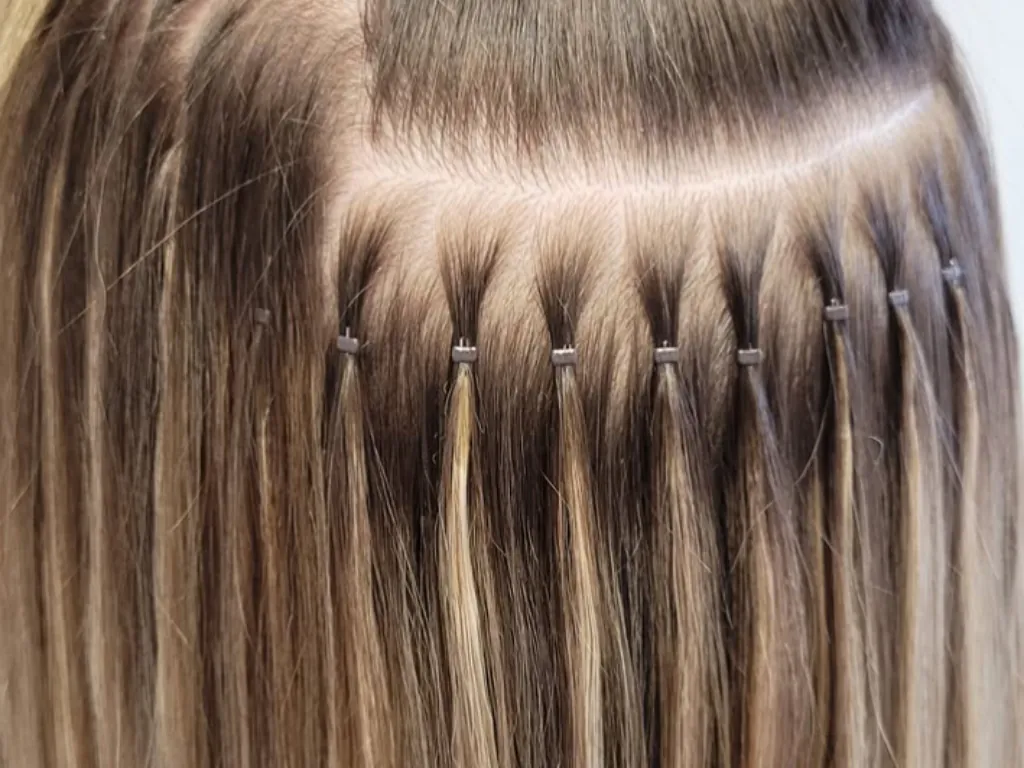
Weft hair extensions consist of continuous tracks of hair sewn together. They come in various types, including hand-tied wefts, machine wefts, and genius wefts. Unlike fusion or tape-ins, weft extensions are applied using methods like the popular beaded sew in weave or traditional sew-in techniques, which require no heat, no glue, and no harsh chemicals. This makes them a highly popular choice for those seeking a semi-permanent, natural-looking transformation.
Do Weft Hair Extensions Damage Your Natural Hair?
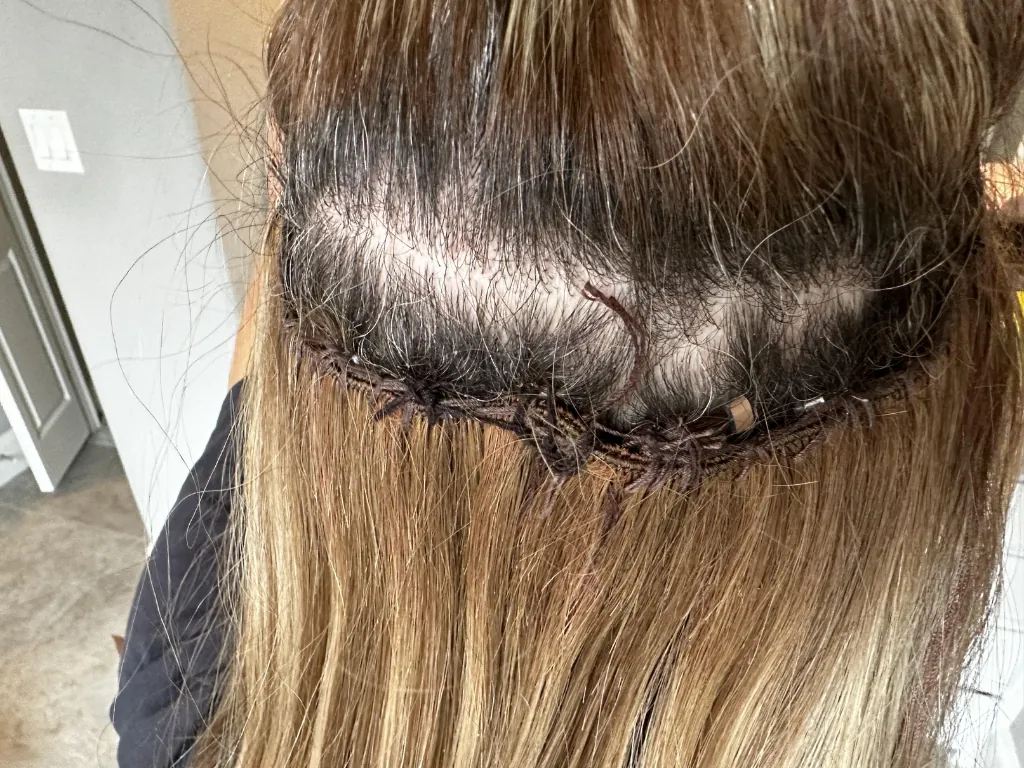
Many first-timers often search the internet with this exact question: is hair extensions bad for your hair, or do hair extensions ruin your hair? The short answer is NO. Weft extensions themselves do not inherently ruin your hair. The reality of weft hair extensions damage almost always boils down to three preventable factors: the stylist’s installation technique, the quality of the hair extensions used, and how well you maintain them at home. When properly executed, wefts act as a protective style, shielding your natural strands from daily styling stress.
Read more: Weft Hair Extensions Pros And Cons That You Must Know
Top 3 Causes of Weft Hair Extensions Damage
Understanding the root causes is the first step to keeping your hair healthy.
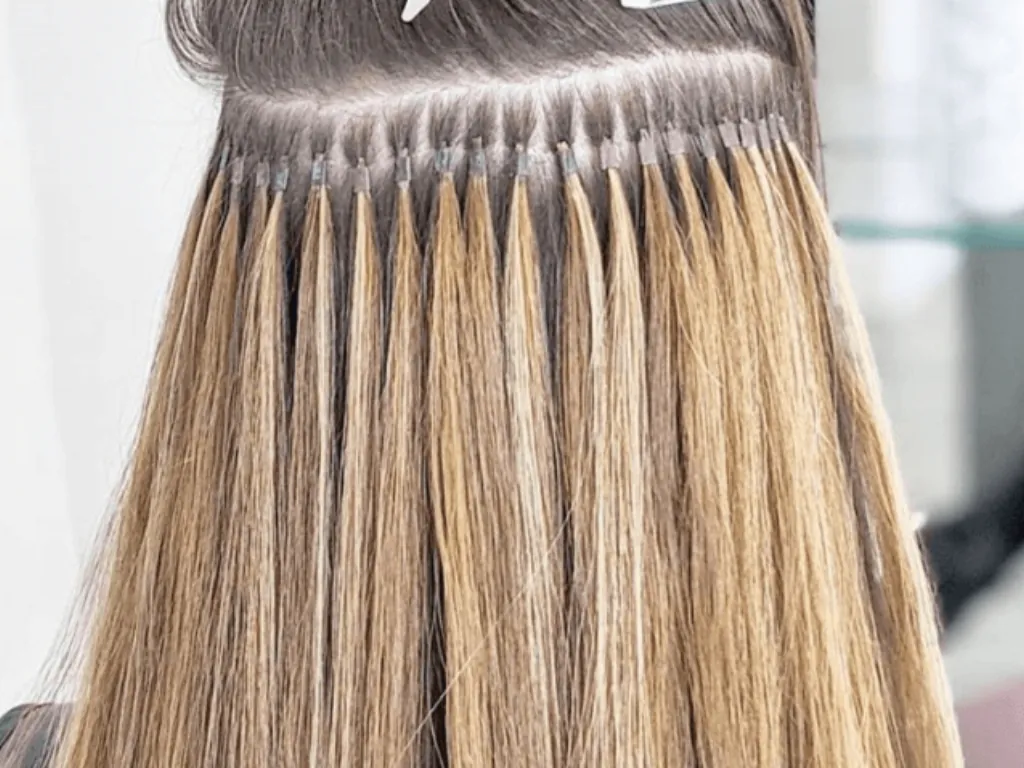
Poor Installation Techniques
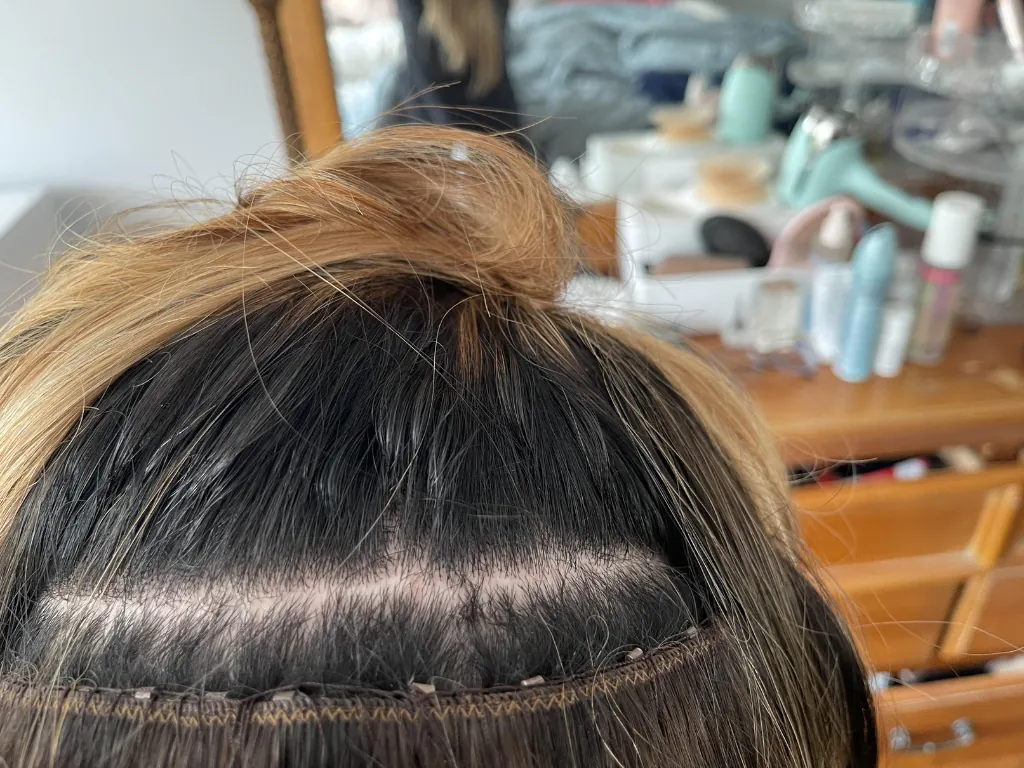
A common mistake is sewing the weft too tightly or placing it too close to the scalp. Additionally, if the extension is too heavy for the section of natural hair supporting it, it creates excessive stress. Can hair extensions cause hair loss? Unfortunately, yes. This constant pulling can lead to traction alopecia—a serious condition characterized by hair thinning and permanent follicle damage.
Low-Quality Hair and Materials
Using synthetic blends or non-Remy hair is a recipe for disaster. Low-quality hair lacks aligned cuticles, causing it to tangle and mat easily. When you forcefully brush through these stubborn knots, the aggressive pulling directly damages your natural roots. If you are wondering do extensions ruin hair, poor-quality material is a major culprit.
Improper At-Home Maintenance
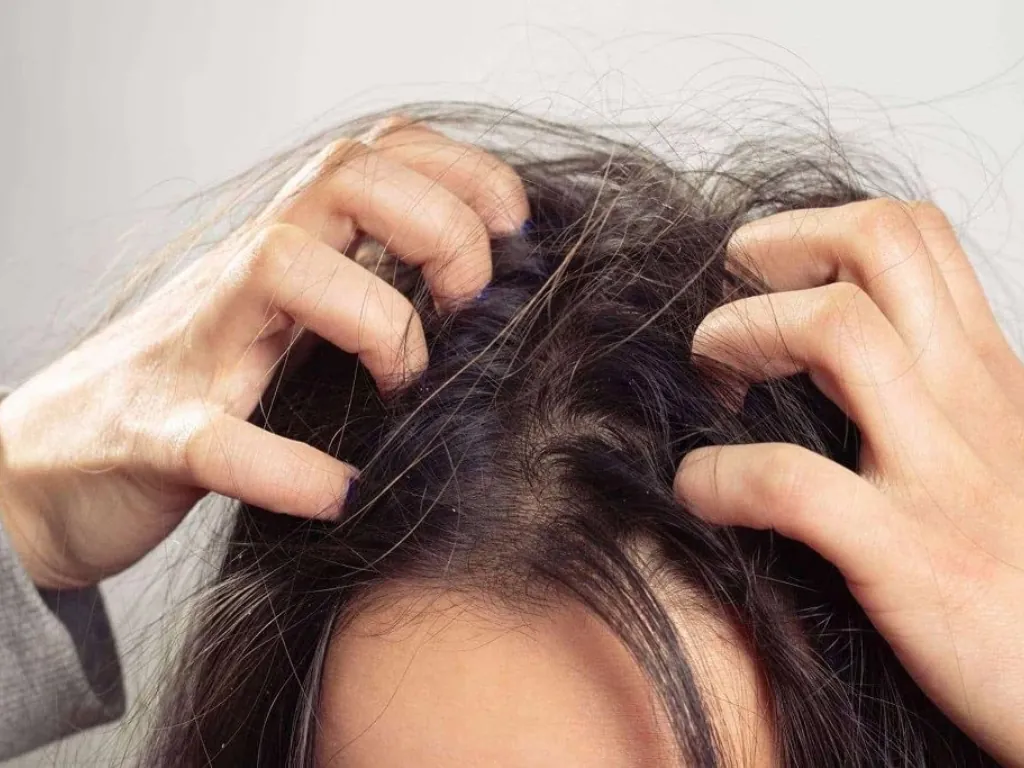
Neglecting your extensions will inevitably cause problems. Going to bed with wet roots, skipping your 6 to 8-week maintenance appointments, or using harsh sulfate shampoos can dry out the extensions and weaken the attachment points, leading to severe breakage.
5 Warning Signs of Damage (And How to Fix Them)
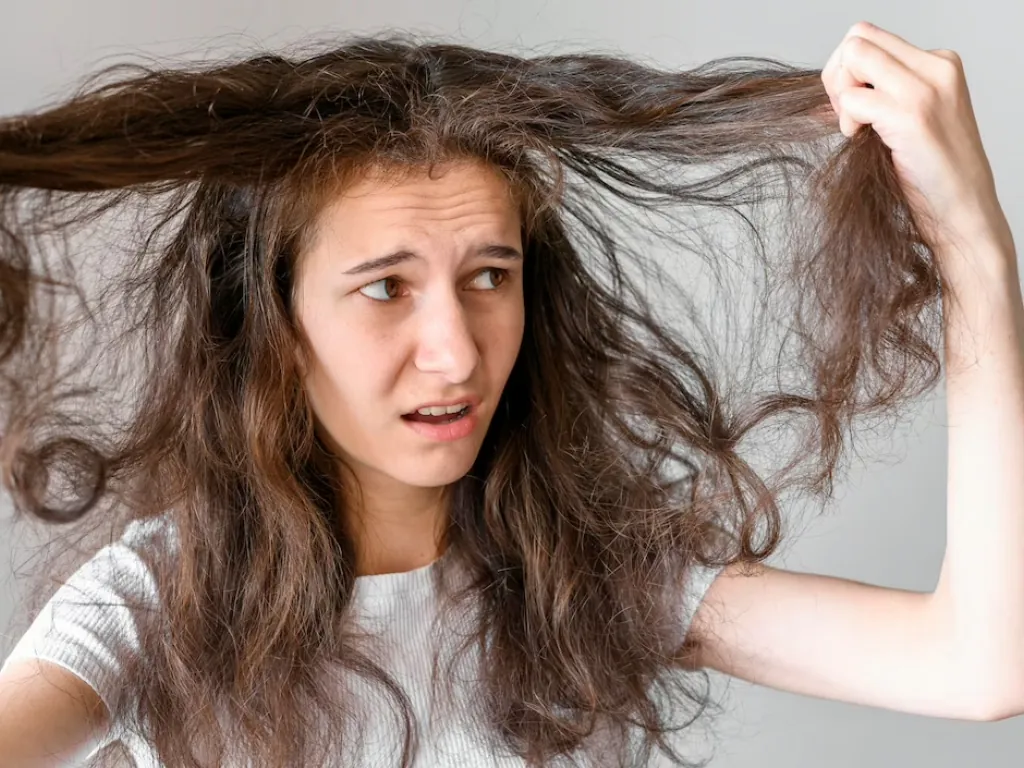
Don’t wait until the damage is irreversible. Look out for these early red flags:
Persistent Scalp Tension or Headaches
Some clients ask, do hair extensions hurt your hair or scalp? While slight tightness is normal for the first 24 hours, experiencing scalp pain for several days means the track is installed too tightly.
How to fix: Visit your stylist immediately to loosen the beads or redistribute the weight.
Slipping Wefts or Exposed Beads
If your wefts are sliding down, it puts uneven pressure on a few isolated strands, increasing the risk of snapping.
How to fix: Ensure your stylist uses silicone-lined beads for a firmer grip.
Matting, Tangling, or Odor
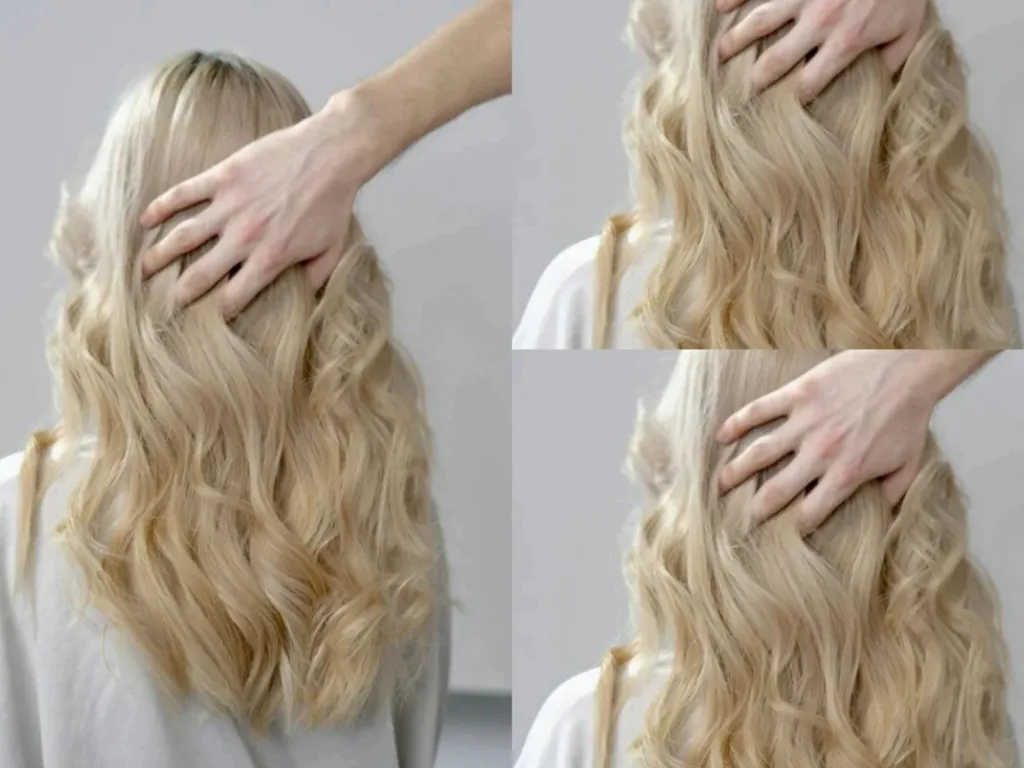
Moisture trapped at the roots can disrupt the scalp’s microbiome, leading to nasty tangles and unpleasant odors.
How to fix: Always blow-dry the root area 100% on a cool setting after washing.
Red Bumps and Itchiness
Small bumps or severe itching can indicate tension folliculitis or an allergic reaction.
How to fix: Request hypoallergenic (nickel-free) beads and reduce the tension during installation.
Severe Hair Shedding from the Track
To avoid the dreaded link between extensions and hair loss, monitor the shedding. If you notice excessive hair falling directly from the seam of the weft, it means the weft is poorly constructed or experiencing too much friction.
How to fix: Handle your hair gently and hold the roots while brushing the ends.
How to Prevent Damage When Wearing Weft Extensions
Learning how to prevent extension damage is all about proactive care:
- Clarify Before Application: Wash your hair with a clarifying shampoo before your appointment to remove buildup, ensuring a secure grip.
- Rely on Professionals: Never attempt a DIY sew-in. Certified stylists understand proper weight-to-density ratios.
- Protect Your Edges: Avoid placing wefts too close to the fragile baby hairs around your hairline.
- Take Scheduled Breaks: Give your scalp a breather by removing the extensions completely every few months.
Read More: Single Weft vs Double Weft: Which is Right for You?
Why Choosing Premium Hair is the Best Prevention
If you want to guarantee a flawless, pain-free experience, investing in high-quality hair is non-negotiable. Premium extensions are lighter, softer, and drastically reduce the risk of tangling and heavy tension.
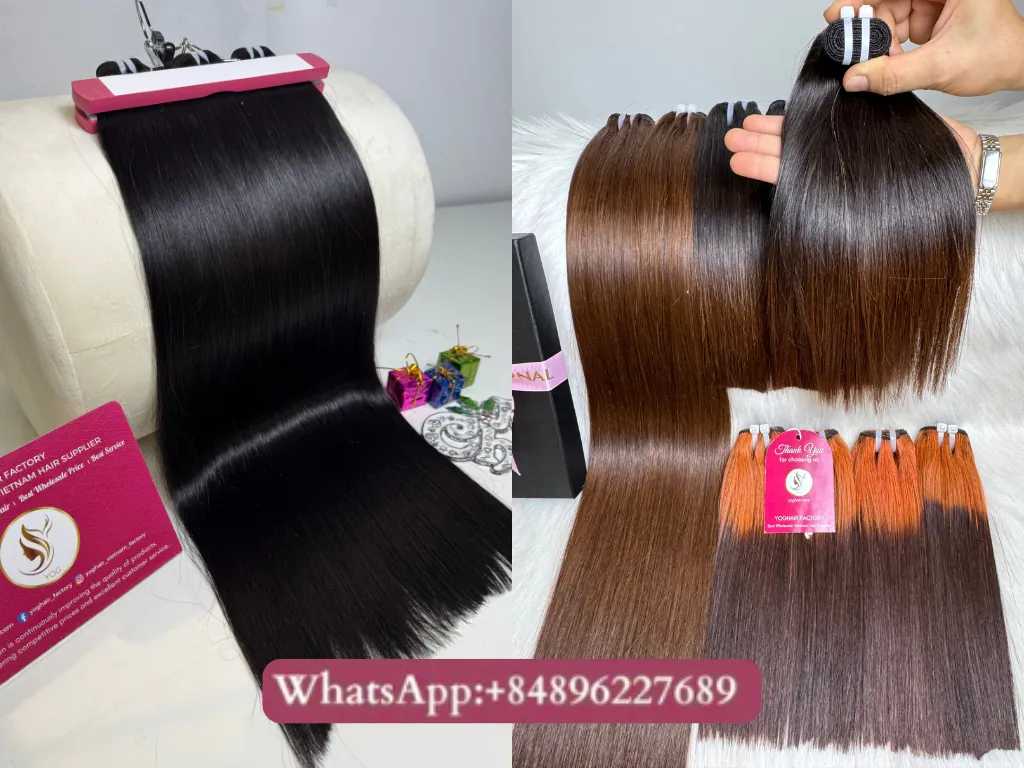
This is where YOGHAIR steps in. We supply top-tier premium Vietnamese human hair wefts that feature 100% intact, cuticle-aligned strands. Our signature lightweight wefts are specifically designed to lie flat against the scalp, eliminating bulky tension and ensuring absolutely no weft hair extensions damage. By choosing YOGHAIR, you are investing in salon-grade longevity, supreme comfort, and the ultimate protection for your natural hair.
FAQs
Are weft hair extensions bad for your hair?
No, they are not inherently bad for your hair. As long as they are installed correctly by a certified professional, adequately maintained at home, and made of high-quality Remy human hair, weft extensions act as a protective style rather than a damaging one.
What is the least damaging hair extension method?
Methods that do not use heat, glue, or harsh chemicals are generally the safest. Halo extensions and clip-ins are great for temporary use. For semi-permanent options, lightweight beaded sew in weaves (using high-quality, thin wefts like Genius Wefts) are considered one of the least damaging methods, as they distribute weight evenly across the scalp without the need for adhesives.
What hair extensions does Chris Appleton use?
Celebrity hairstylist Chris Appleton typically uses ultra-premium, 100% human Remy hair extensions. While he often favors tape-ins or clip-ins for quick red-carpet transformations, the key takeaway from his technique is his strict priority for lightweight, top-tier hair quality. Using premium hair ensures a flawless blend and prevents tangling that could otherwise damage the natural hair.
Can hair extensions cause folliculitis?
Yes, they can. Tension folliculitis occurs when extensions are applied too tightly, causing severe stress on the hair follicles. It presents as small, red, itchy bumps on the scalp. To prevent this, always ensure your stylist does not sew or bead the extensions too close to the scalp, and keep your roots clean and dry.
Conclusion
In summary, the fear of weft hair extensions damage shouldn’t stop you from achieving the hair of your dreams. By understanding the common causes, recognizing the early warning signs, and prioritizing proper at-home maintenance, you can completely avoid issues. Most importantly, selecting premium, lightweight extensions from a trusted factory will protect your natural strands and keep your scalp healthy for years to come.
Transform Your Look Without the Damage with YOGHAIR!
If you want to enjoy voluminous, long, and luxurious hair without worrying about damage, high-quality extensions are a must. At YOGHAIR, we specialize in crafting premium 100% Vietnamese human hair weft extensions. Known for their incredible strength, natural luster, and lightweight feel, our products guarantee a seamless blend and a damage-free experience. Whether you are a salon owner or an individual looking for factory-direct prices, YOGHAIR has got you covered with fast global shipping and flexible custom options.
- Instagram: @yoghair_wholesale_factory
- WhatsApp: +84896227689
- Email: wholesaleyoghair@gmail.com


 Ms. Jenifer